The 1986 movie, Ferris Bueller’s Day Off1, helped an entire generation gain a pearl of pop culture wisdom that would shape their lives forever: “Life moves pretty fast. If you don’t stop and look around once in a while, you could miss it.” We had no idea in the mid-80’s how much faster life, and the world could really move.
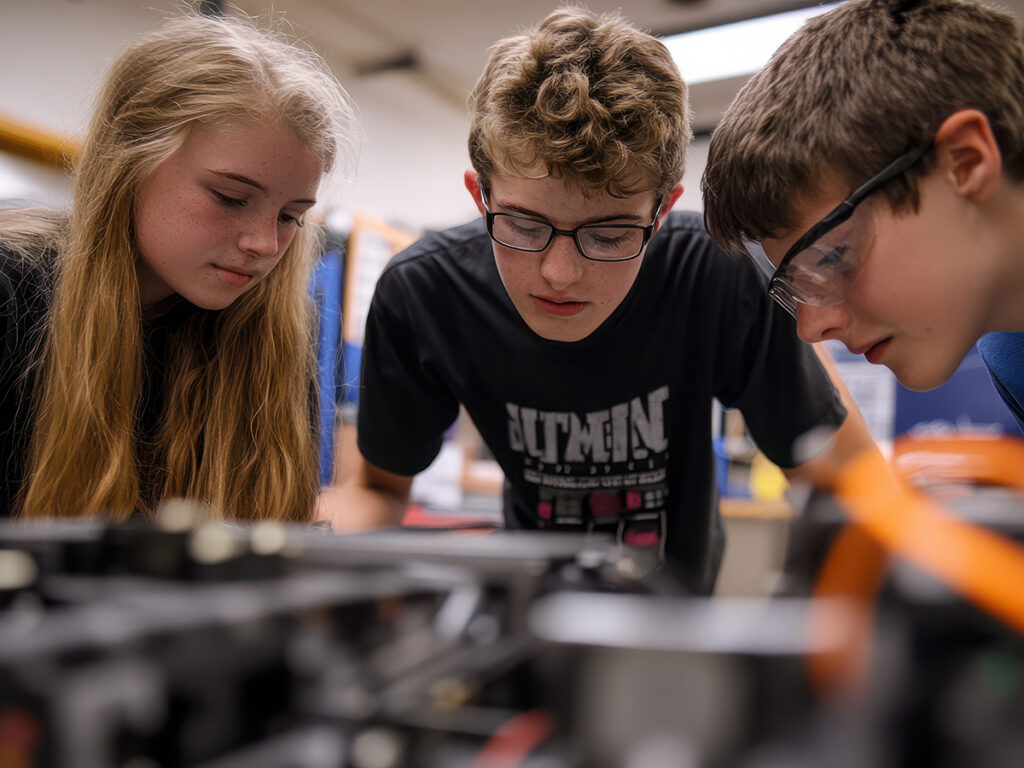
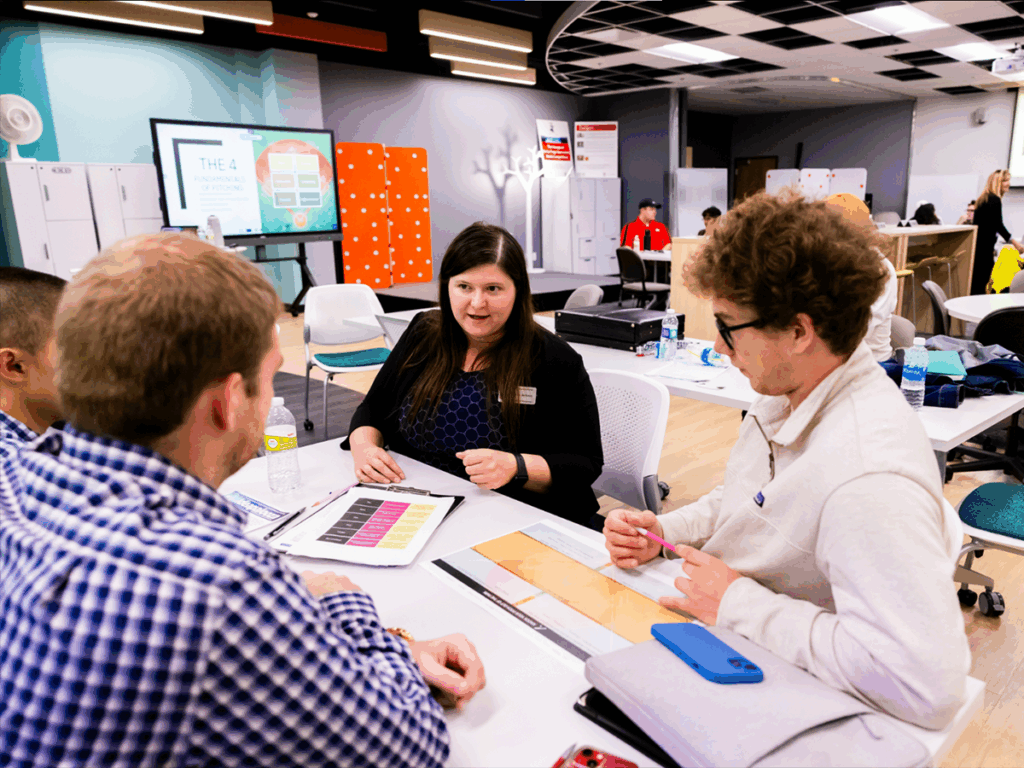
In today’s modern-day environment where problems evolve faster than their solutions, a wider net of innovative thinking, communication, collaboration, and problem-solving agility must be cast. One of these nets comes in the form of fast-paced collaborative competitions where high school, community college, and university students are pushed to tackle real world problems: Hack-a-thons and innovative challenges.
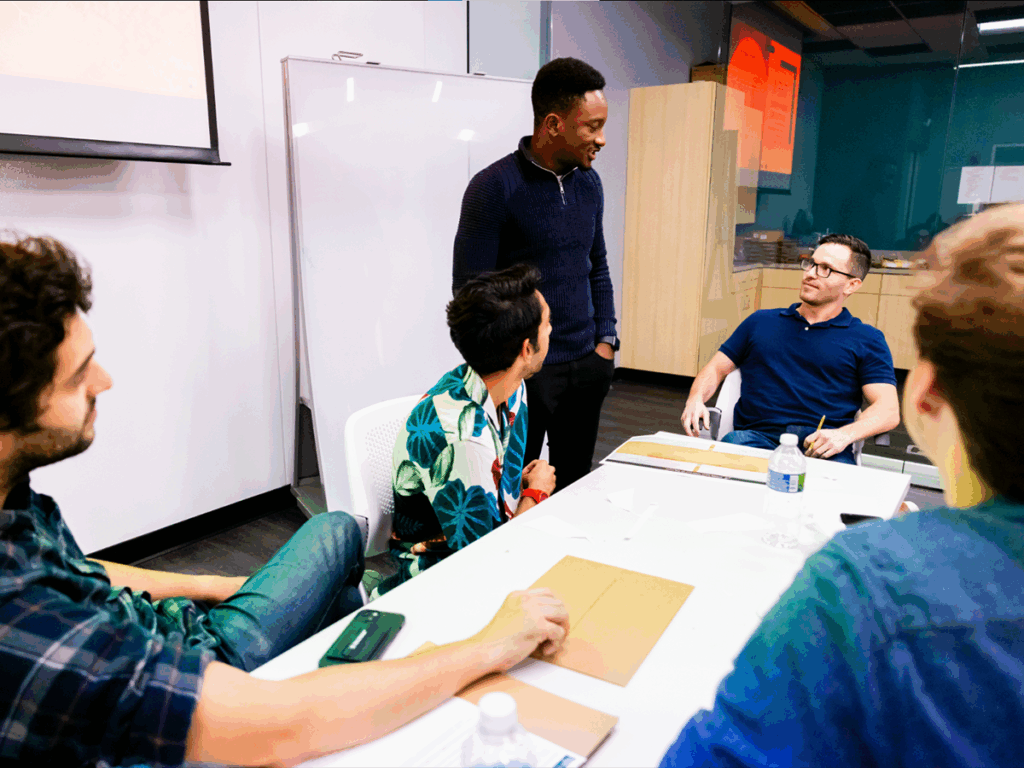
A Hack-a-thon (hack marathons) are events with a specific time limit that challenge individuals or teams to design, prototype and present a solution to a specific problem. The “hack” comes into play from their origination in the world of technology where new software, applications or tools were hacked together by developers and programmers within a window of 24-72 hours.
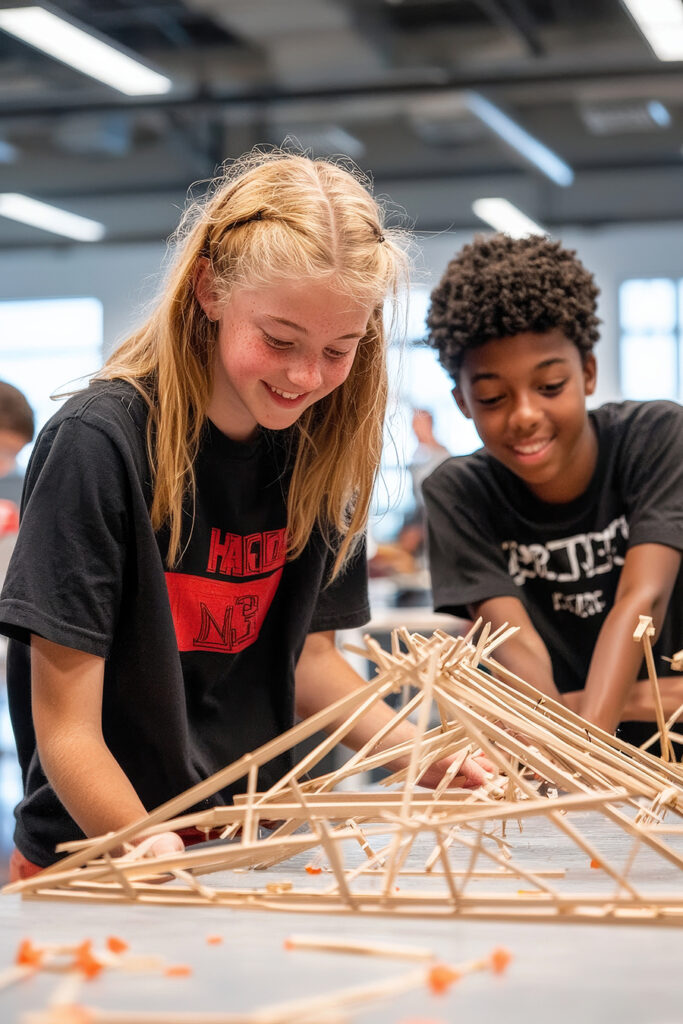
Innovation challenges aren’t so time bound. They are broader in scope and may be scaffolded over a period of weeks or months. These challenges are often built around a broad authentic problem statement that emphasizes deep thinking, research and creativity. Solutions can be built out technically or presented board room style utilizing pitches.
These sound like a great way to get students engaged and participating in scholastic competitions, but do either of these incubators of real world, fast-paced, problem-based solutions have a place in the real world? Their existence is imperative.
These competitions, at their minimum, give students about to make their debut into the workforce a taste of the 21st Century Employability Skills/Employability Competencies that many sectors deem non-negotiable when looking to add to their employment rosters. The ability to think critically about a given problem, communicate effectively about what the problem entails and its possible solutions, planning/organizing/completing tasks, reliability, and accountability are only a few areas where students get to rehearse skills in an arena that allows for growth through both success and failure.
However, the greatest impact that these competitions have is farther reaching than just prototypes, prize money and trophies. Hack-a-thons and innovation challenges train generations of thinkers to believe that problems are solvable and that students, whatever age they might be, have valuable creativity and ingenuity to contribute. Even if the results generated by a single competition do not completely solve the posed problem, the growth mindset that is cultivated through the iterative process of interpreting, building, testing and revising models keeps the constant evolution of these systems alive. Some of the solutions produced during competition do have the potential to move forward into real-world engineering and entrepreneurial environments. But more importantly, each generation of competitors provides new, innovative solutions that allow us to believe that one day we might be able to keep up with ever-evolving problems that are an inevitable byproduct of our fast-paced lives.
What’s the first thing that comes to mind when you think of skateboarding? For many, it’s a whirlwind of high-flying tricks, X-Games athletes, and a culture that can feel intimidating from the outside looking in. It’s easy to see it as a sport for the young, the fearless, and the exceptionally coordinated.
But what if we told you that skateboarding is something else entirely? Something more accessible, more artistic, and far more magical?
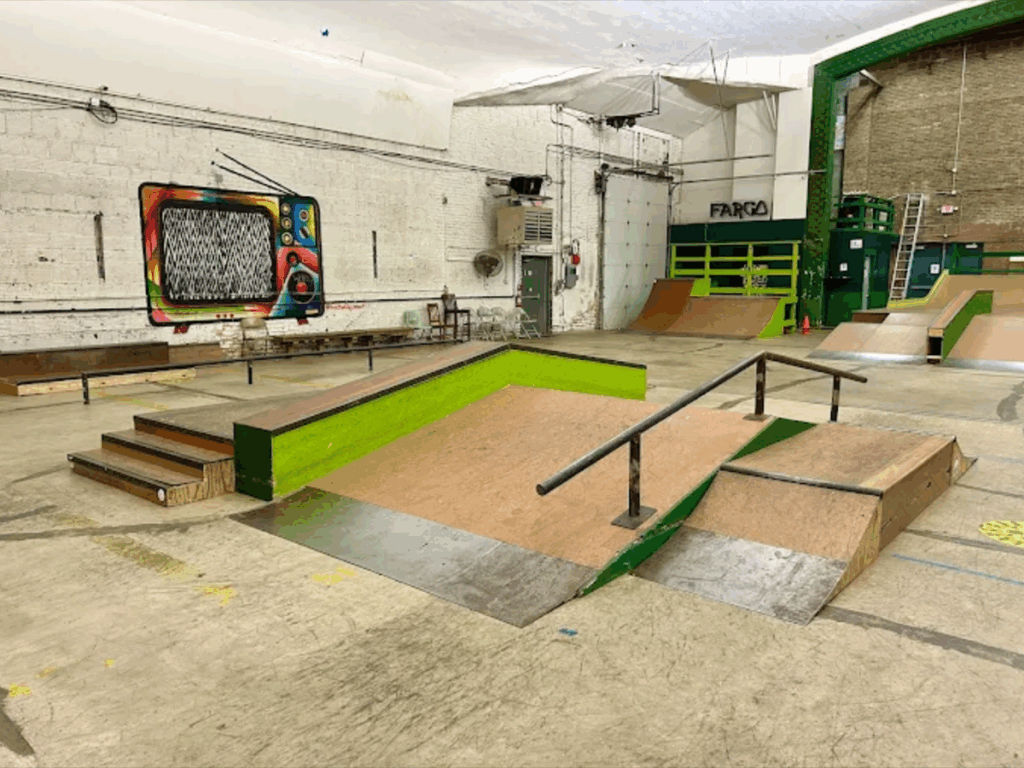
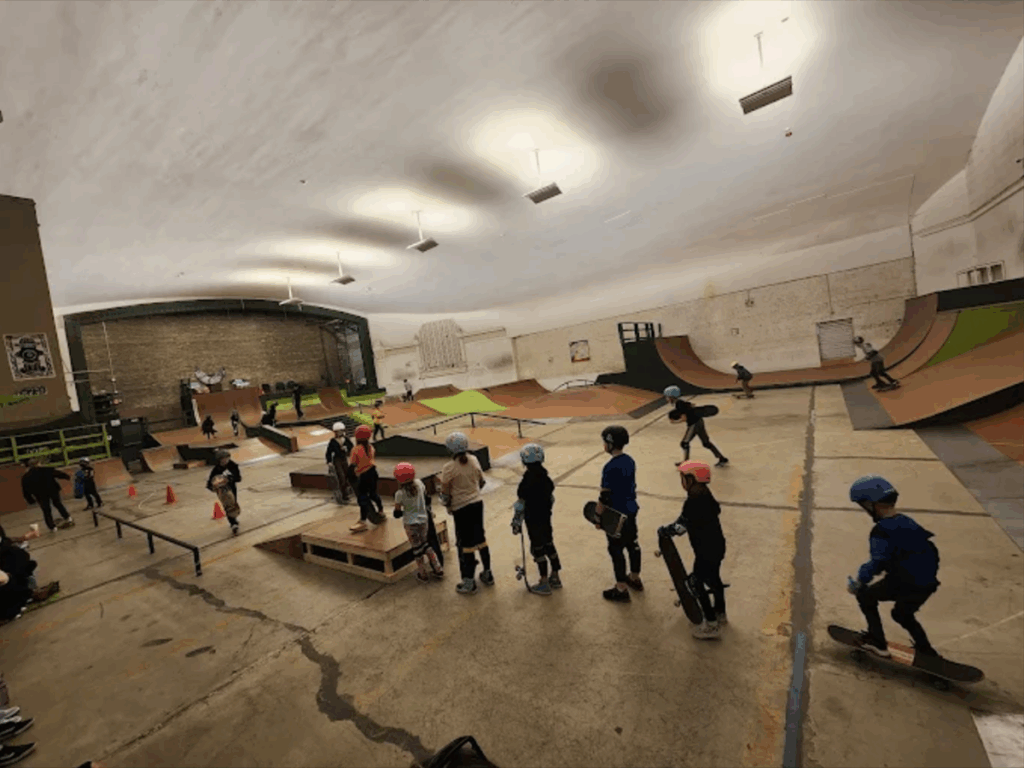
In our latest episode of STEAM Studio Spotlight, we sit down with Ariel, the passionate force behind Fargo Skate in DeKalb, Illinois, and she completely redefines what it means to be a skateboarder. This isn’t an interview about landing the biggest trick; it’s a conversation about finding joy, overcoming fear, and discovering a new way to see the world—literally.
Ariel’s story begins not in a competitive arena, but in a friend’s basement, with two forgotten skateboards that promised adventure. That sense of exploration—of using a board as a vehicle for discovery—is still at the heart of her journey today. She describes the sensation not as a extreme sport, but as the closest thing to riding a magic carpet. “You’re just standing on it and it’s taking you,” she tells us. “It’s just like floating, flying. Magic is a good word for it.”
One of the most powerful takeaways from our chat is the beautiful demolition of the “all or nothing” myth surrounding skateboarding. You don’t have to aspire to be a pro to belong. Ariel proudly calls herself a “forever beginner,” a title that celebrates the constant, rewarding challenge of learning and the pure joy of rolling. She makes a compelling case that skateboarding is less of a sport and more of an art form—a physical expression of style, creativity, and seeing potential for beauty in the everyday urban landscape.
For anyone who has ever thought, “I’m too old for that,” or “I’d never be any good,” this episode is for you. Ariel delves into the surprisingly simple first step to starting (hint: it has nothing to do with your feet) and shares her incredibly welcoming approach to teaching absolute beginners of any age, ensuring their first experience is safe, fun, and free of fear.
Beyond the personal passion, we also explore how Fargo Skate is building a remarkable community hub within the walls of a historic vaudeville theater. From their nonprofit initiative, Pushing Together, which ensures every kid has access to a board regardless of their family’s income, to dedicated Ladies Nights and adult beginner classes, Fargo is on a mission to share the love of skateboarding with everyone.
This episode is a heartfelt invitation to look at your surroundings with new eyes, to embrace the spirit of a beginner, and to maybe, just maybe, find a little magic on a piece of wood with four wheels.
Are you looking for an awesome opportunity to experience a university campus while engaging in fun STEAM activities? Then you should come out to STEM Fest 2025 in the heart of NIU’s central campus!
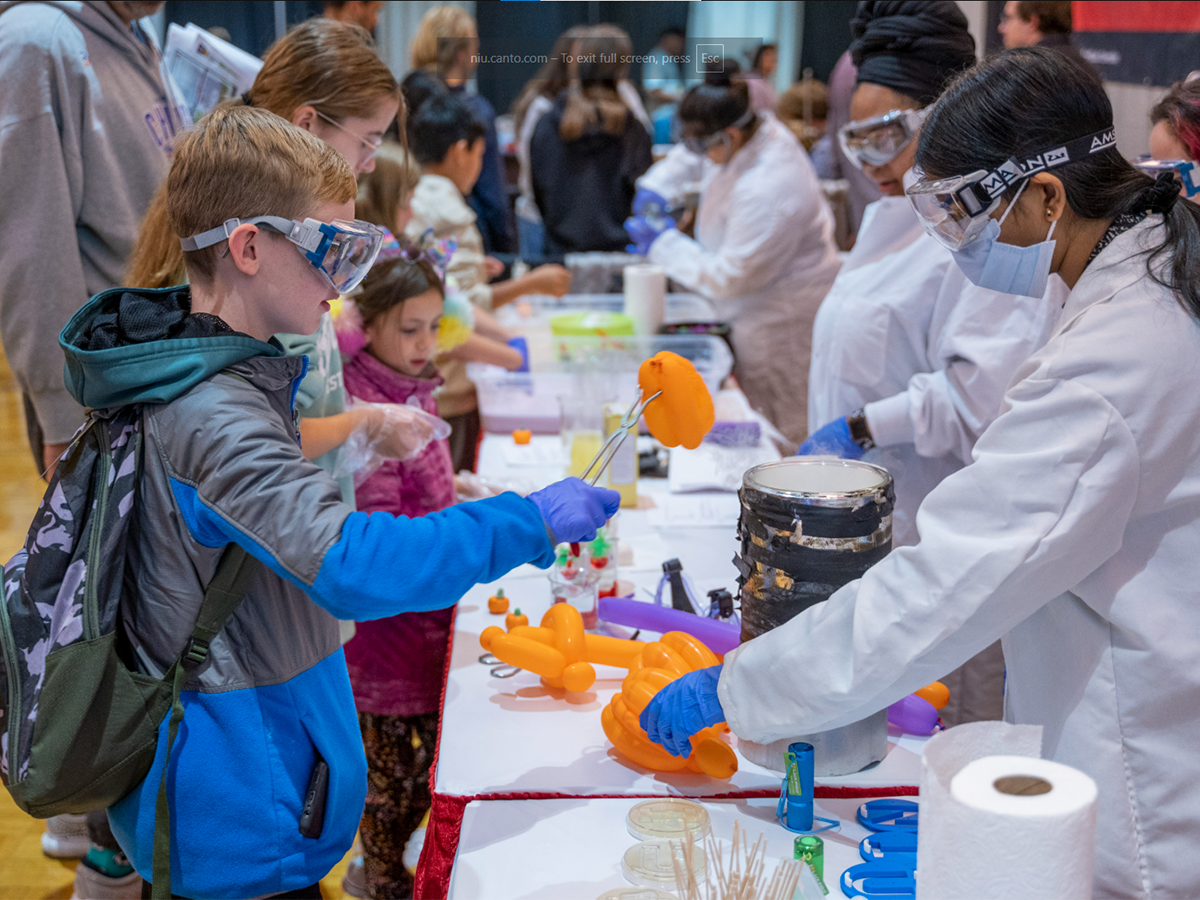
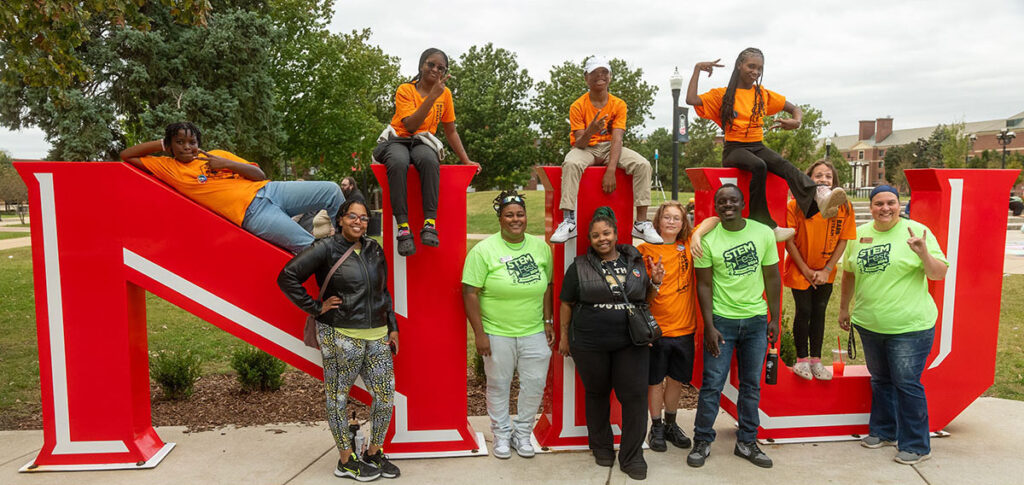
If you haven’t attended STEM Fest before, this is not your average STEM fair. Our event has grown to bring roughly 5,000 people to campus each year. We have large groups of students who come from schools throughout the state to learn more about STEAM in the world outside of the classroom. There are families who come out with their younger kids to have fun with interactive STEAM activities and to check out some of their favorite authors reading from their books. High school and college-aged kids are eagerly coming to meet some of our industry partners to learn about career opportunities. We have something for everyone!
STEM Fest is awesome because we have so many exhibitors with a wide range of experiences to share, and we are spread across multiple buildings on campus. Some of us attending are super comfortable talking to new people and know exactly how to jump in. But we also know that some of us are a little more shy and need some extra support on how to engage as a visitor.
If you’re looking for resources to support your explorers as they travel throughout STEM Fest, check out the links below. The exploration guides are targeted more for groups of students who are attending STEM Fest as a school field trip. These allow them to document their journey with some specificity, which will help them recall and share their experiences with their friends and family back home. Please note that we have one version to support our elementary learners and a second version to support our middle and high school learners.
If you are bringing kids and looking for an option that is a little less involved, check out our bingo cards. We again have two versions to consider. The first option has brief descriptions in each box with ideas of people and places to check out. The second option mimics the first, but instead of words, we have icons that represent the different people and places. This version could be great for kids who are early readers or those who are English Language Learners. It might be helpful to keep a copy of the one with word clues handy, just in case you aren’t sure what the icons represent. We also have a list of suggested questions that could help anyone better engage with our exhibitors.
Please print out any materials you would like to use and bring them with you the day of STEM Fest. To cut down on paper waste, we will not have printed copies available upon your arrival.
Check out our website for additional details on attending! There’s pictures from previous years that highlight some of the very amazing exhibitors who come out year after year to support our mission of proving a free event for the public.
We look forward to seeing you on September 20th on our NIU campus!
Becky Swiontek, MS Ed. is a NIU STEAM Educator, specializing in inquiry education for students, as well as standards-aligned curriculum and assessment.
If you picture an engineer’s work, what do you see? Maybe it’s complex equations scrawled on a whiteboard, or precise CAD models on a screen, or the satisfying click of a prototype finally coming together. We see the technical triumph—the solved problem.
But what happens next? What happens when that brilliant technical solution has to leave the lab and enter the real world? It has to be explained, justified and sold. It needs a budget, buy-in, and a team behind it. Suddenly, the most elegant engineering is useless without something often overlooked: a great pitch.
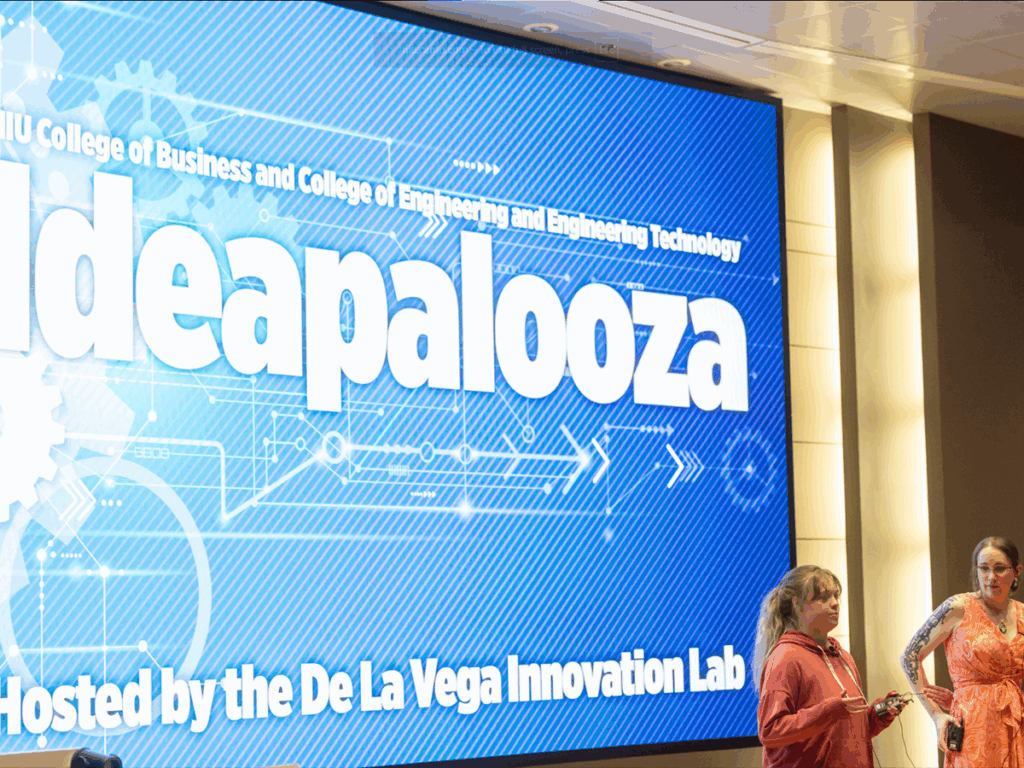
This is the exact gap that a pioneering program at NIU called IdeaPalooza is designed to fill. In our latest episode of the STEAM Studio Spotlight podcast, we sit down with the two passionate architects behind this initiative: Nick Pohlman, PhD., professor of Mechanical Engineering here at NIU, and Becca Husar from the NIU College of Business’s De la Vega Innovation Lab.
Their conversation is a fascinating look at what happens when you smash together the structured world of engineering with the dynamic, human-centered world of entrepreneurship.
It’s More Than a Capstone Project; It’s a Launchpad
At its heart, IdeaPolooza is built around the senior design capstone project—the culmination of an engineering student’s education where they solve a real problem for a real company. But Nick and Becca saw that students were emerging as incredible technical thinkers who were nonetheless unprepared for the conversations that happen after the design is complete.
As Becca shares, when she asked industry sponsors what skills they wished new graduates had, the answer was unanimous: “They all said communication skills, collaboration, project management. None of them thought the engineering degrees needed more technical support.”
The problem wasn’t the engineering; it was the translation.
The “Demo Day” Dress Rehearsal
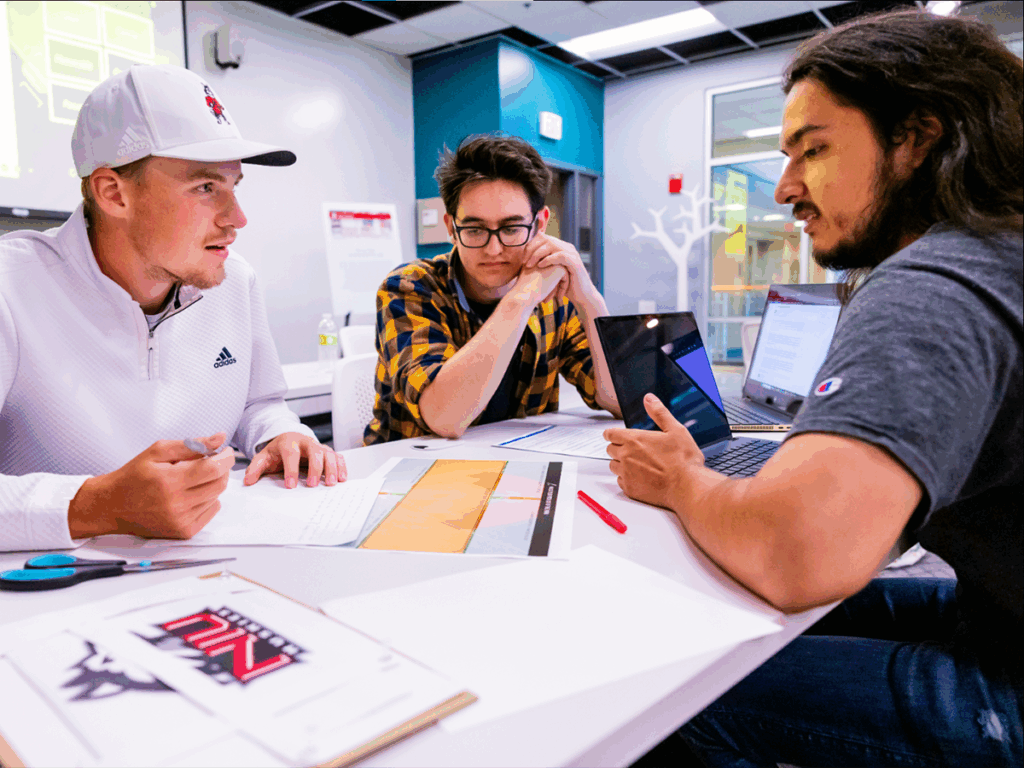
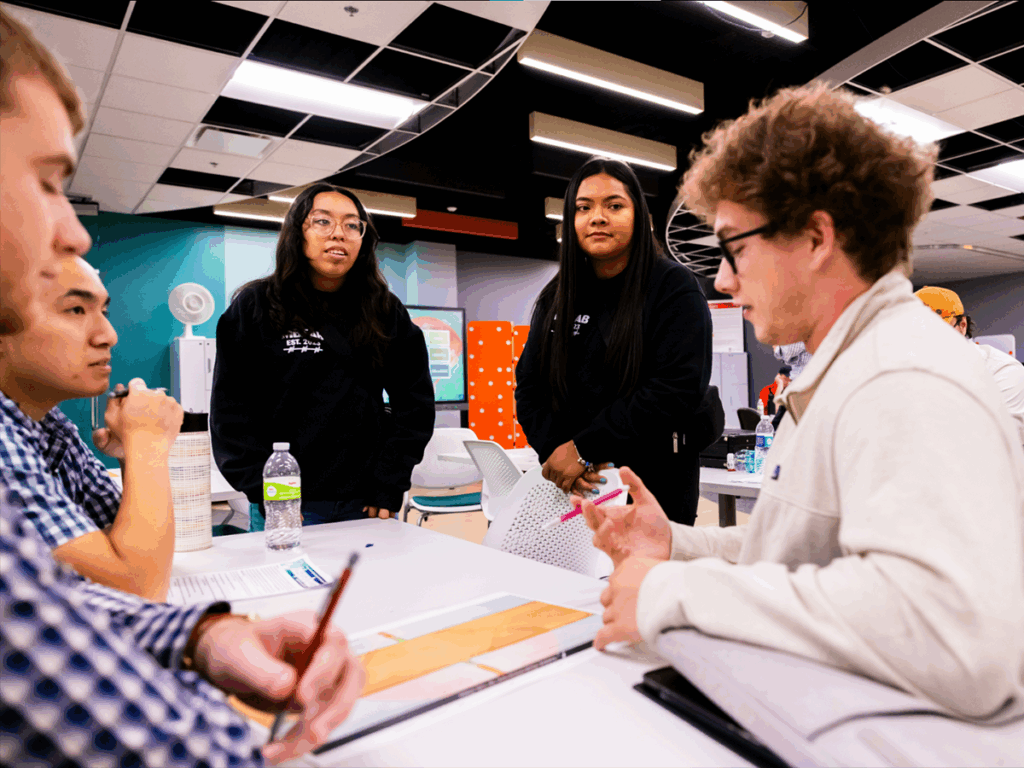
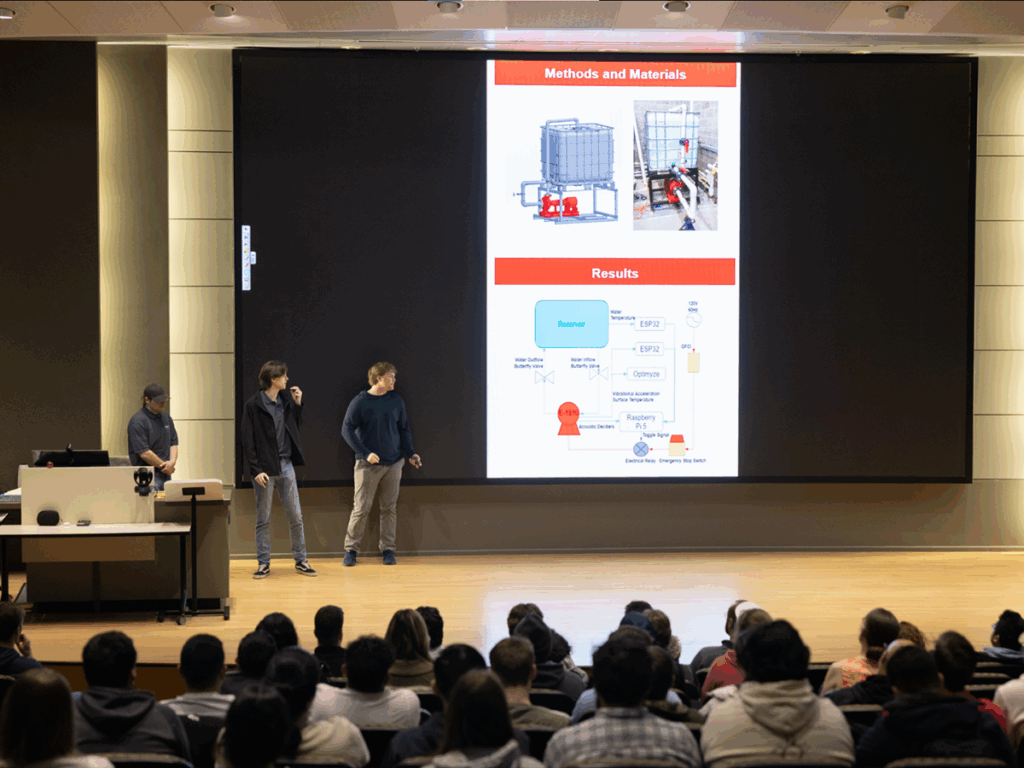
The most captivating part of their story might be the brilliant “demo day” rehearsal they created. Imagine this: engineering students, fresh off finalizing their projects, walk into the College of Business. Waiting for them are business students who have been tasked with playing specific roles—a skeptical industry professional, a curious alum, a potential investor with limited technical knowledge.
The engineers have to pivot on the spot, tailoring their pitch to each unique stakeholder. It’s safe, it’s controlled, but it’s incredibly real. Nick recounts the moment a student raised their hand and asked, “So… could we have 3 to 4 minutes to figure out what we’re going to do?” It was a lightbulb moment. The work of understanding your audience should have already been done.
This is where theory meets practice. It’s where an engineer learns that a rainbow-colored stress analysis is beautiful to them, but might be meaningless to the person holding the purse strings unless you can explain why it matters.
This isn’t just a story for engineers or business students. It’s for anyone who has ever had an idea that they struggled to get others excited about. It’s about the universal need to connect what we do with what other people need.
Nick and Becca’s energy is infectious. They finish each other’s sentences, laugh about early missteps, and share a obvious genuine belief in their students. They aren’t just teaching; they’re building a bridge.
So, if you’ve ever wondered how a great idea becomes a reality that people actually care about, we highly recommend giving this episode a listen. It might just change how you think about your own next big idea.
Ever peek inside a vacuum cleaner as a kid, just to see how it works? For most of us, that curiosity might have earned us a scolding. But for Jasmine Carey, an instructor with NIU STEAM, it was the first step on a path that would lead her to a powerful mission: empowering kids to explore, question, and build without fear.
In the latest episode of STEAM Studio Spotlight, we sit down with Jasmine for a conversation that is as inspiring as it is genuine. Her story isn’t only about her career; it’s a testament to the profound impact of giving young minds the freedom to learn by doing.
The Journey is the Joy
Jasmine’s journey is what we love to call a “full circle moment.” She started as a student at NIU, first as an undergraduate in Engineering Technology, then earning a Master’s in Instructional Technology. Along the way, she was a camp counselor and graduate assistant right here with NIU STEAM. After graduating, she took her skills to a local school to launch a makerspace, gathering experience before finding her way back home to NIU to lead the Barb City STEAM Team.
But why come back? As she explains to hosts Dr. Kristin Brynteson and Russ Devereaux, the draw was the unique magic of informal education. In her classroom, there are no bad grades or wrong answers. There’s only freedom to question, the space to try, and the confidence that comes from knowing that a mistake is just a learning opportunity in disguise.
This philosophy fuels the incredible work she does with middle schoolers in the after-school program and summer camps. We get into the nitty-gritty of how she builds that culture of confidence from day one. It starts with a simple mantra: “It’s okay to try and fail, but it’s not okay to not try at all.”
What is Success, Really?
The conversation takes a fascinating turn as we explore how Jasmine and her team are redefining “college and career readiness” for these students. It’s not just about handing them a list of jobs. It’s about bringing in local barbers, police officers, and entrepreneurs to share their stories. It’s about showing them the faces of success in their own community and helping them understand the real work—and passion—behind every profession.
You’ll hear heartwarming stories of transformation—of the quiet, hesitant sixth grader who blossoms into a vocal, take-charge leader by eighth grade. You’ll learn how a student struggling with a science worksheet suddenly aced it when offered the chance to 3D design a plant cell instead. It’s a powerful reminder that when you connect a student to content in a way that resonates with them, everything clicks.
This episode is a must-listen for educators, parents, and anyone who believes in the power of hands-on learning. It’s a look behind the curtain at how a supportive environment and a focus on the design process—try, fail, redesign, try again—can unlock a child’s potential.
So, if you’re looking for a dose of inspiration and want to hear how we’re nurturing the next generation of engineers, artists, and leaders right here in DeKalb, press play on our conversation with Jasmine Carey.
You might just be inspired to look at that old vacuum cleaner in your closet and see it not as a broken appliance, but as a world of possibility.
If you’ve ever felt like giving up on a dream, a goal, or just making it through a tough week—you need to hear the story of Cherish Jackson.
When we think of inspiring educators, we often picture a natural-born teacher, someone who aced every test and walked into the classroom with effortless grace. But what if the most impactful teachers are forged not in success, but in repeated, brutal failure?
That’s the powerful and surprisingly vulnerable journey we explore in the latest episode of the STEAM Studio Spotlight. Our host, Russ Devereaux, sits down with the incredible Cherish Jackson, an educator whose path to the classroom was anything but straightforward.
A Hero’s True Origin Story
Cherish’s dream started with a deeply personal spark: her brother, who was born with autism. Seeing her family navigate that world ignited a passion in her to support students with disabilities. She enrolled in college, determined to become an educator. And then she hit a wall. Again and again and again.
For years, Cherish consistently failed the test required to get into her university’s education program. She took prep classes, bought the books, retook it, and even moved to a different state to try a new program—only to fail again. Imagine the mental toll of that. The voice in your head that whispers, “Maybe this isn’t for you.” Most of us would have listened. Cherish did not.
But here’s the twist: she eventually discovered she wasn’t failing because she didn’t know the material. She was failing because of her heart.
A Heartfelt Lesson
In a moment that will change the way you think about teaching, Cherish reveals the well-intentioned flaw that kept her out of the classroom: a “savior complex.” She explains how her instinct to immediately “fix” a student’s problem—to move a distracted child away from a sunny window, for example—was a disservice. True teaching, she learned, isn’t about saving students from discomfort in the moment; it’s about equipping them with the tools to navigate life’s distractions long after they’ve left your classroom.
Endure the Chaos
This episode is a masterclass in resilience, but it’s also a raw look at the beautiful chaos of education today. Cherish talks about throwing away the perfect planner, embracing the unpredictable nature of each week, and finding victory not in grand, sweeping gestures, but in the tiny, email-worthy triumphs—a student reading five more words than they could three weeks ago.
She shares unforgettable stories from her classroom, including the time a student told her she was a terrible teacher and how she turned that moment into a life-changing leadership opportunity for him—a story so good it’s still echoing through his school district years later.
Beyond the classroom, we get to know the whole person: the small business owner focused on mental wellness, the avid concert-goer, and the woman who lives by the mantra, “I just want to know that I was here.”
This conversation is more than a podcast episode; it’s a dose of perspective. It’s for anyone who has ever felt behind, for the parents who worry about their child’s progress, and for anyone who needs a reminder that failure isn’t a stop sign—it’s the most important part of the map.
So, if you’re ready to be inspired, to rethink what it means to truly help someone, and to hear a story of breathtaking perseverance, you know what to do. Press play on this episode. You’ll come away not just admiring Cherish Jackson but feeling a little more capable of eating your own bowl of chaos, one spoonful at a time.
The NIU Book Lab, on the fourth floor of Founders Memorial Library, is an interactive, hands-on space exploring the history, technology and future of books. Don’t miss the chance to try out our replica Common Press and other historical equipment!
71 North Partnership Studio, Basement
In the basement of NIU’s Founders Memorial Library, our 71 North Partnership Studio is dedicated to entrepreneurship and innovation. Don’t miss this interactive space… and watch our upcoming blogs for more details about the activities!
Outdoors on MLK Commons and Normal Road
The annual weather balloon launch is a highlight every year. (This year it’s scheduled for 10:30 a.m.) We also have many outdoors booths with hands-on activities, food trucks on Normal Road and the Be Pro, Be Proud truck sponsored by Meta.
The NIU STEAM Studio in Swen Parson Hall
Swen Parson Hall, just across Normal Road from the MLK Commons, is the home of our very own STEAM Studio space. Every year we host a craft or activity in this smaller space that’s a little calmer and quieter. We hope you’ll stop by to see us!
Holmes Student Center Exhibition Halls
Experience hundreds of hands-on activities in the life sciences, chemistry, physics, engineering and more.
STEM Fest Stage
Follow the signs to the STEM Fest Stage in the Holmes Student Center Sandburg Auditorium for fun, interactive performances and demonstrations throughout the day. We’ll share the stage schedule in September!
If you’ve ever wondered whether knocking on doors—literally—could change the trajectory of your career, Robert Hsu’s story is proof that it can. In this episode of STEAM Studio Spotlight, Robert, a lawyer, professor, and Director of the Business Innovation Law Clinic at NIU, shares how a mix of curiosity, hustle, and a willingness to ask “dumb questions” led him to a career that blends legal expertise, teaching, and community service.
The Power of Showing Up (and Knocking)
Robert’s journey into law wasn’t handed to him—it was something he pursued with relentless determination. As an undergrad, he didn’t wait for opportunities to come to him. Instead, he put on a suit, walked into law firms, and offered to work for free just to get his foot in the door. That boldness landed him his first legal experience and set the tone for a career built on initiative rather than waiting for permission.
But here’s the twist: Robert didn’t just want to practice law—he wanted to teach it. After years in high-powered firms, he realized his real passion was guiding the next generation of lawyers. “I loved the late-night mentoring, the ‘aha’ moments from students,” he says. “That’s when I knew I wanted to be in academia.”
Why Law Professors Aren’t What You Think
Let’s be honest—when most people picture lawyers, they imagine courtroom dramas or billable hours, not professors shaping young minds. But Robert’s story alters that, dramatically. He explains how teaching law isn’t just about theory; it’s about giving students the tools to navigate a system that often feels intimidating and exclusive.
One of the most powerful parts of the conversation? His take on access. “A lot of students are afraid to ask questions, so they don’t ask,” he says. “But the only question to be afraid of is the one you don’t ask.” That philosophy drives his work in the Business Innovation Law Clinic, where he helps students and small business owners alike navigate legal hurdles they might otherwise find overwhelming.
The Unexpected Rewards of Paying It Forward
What makes Robert’s career so compelling isn’t just his resume—it’s the way he measures success. Unlike traditional legal practice, where gratitude can be scarce (“You’re just doing your job,” as he puts it), teaching has given him something unexpected: tangible proof that he’s making a difference. From thank-you notes to students landing dream jobs, those moments remind him why he chose this path.
And for anyone considering law school? His advice is refreshingly practical:
Try before you commit. Work in a law firm (even for free) to see if you actually like the day-to-day.
Take the LSAT seriously. A strong score can open doors—literally—to scholarships and better opportunities.
Find mentors. “Most people don’t ask,” he says. “But the answers are out there if you’re brave enough to ask.”
This episode isn’t just for aspiring lawyers. It’s for anyone who’s ever felt unsure about their next step, wondered if they’re “allowed” to pivot, or questioned whether their career could have a deeper impact. Robert’s story is proof that the most fulfilling paths aren’t always the most obvious—and sometimes, they start with a simple knock on a door.
Tune in to the latest STEAM Studio Spotlight episode now—you might just walk away with a new perspective on where your own journey could lead.
If you’ve ever thought, “Science just isn’t for me,” Chrissy Swartz is here to prove you wrong. In this episode of STEAM Spotlight, the NIU STEAM educator—who’s taught everything from forensics to meteorology—breaks down why so many of us grow up believing we “can’t science”… and how to flip that script for the next generation.
The Problem with Science Class (And How to Fix It)
Chrissy doesn’t hold back: Traditional science education often fails kids by making the subject feel like a rigid set of facts to memorize, rather than a way to explore the world. “Earth sciences get dumped on,” she admits. “They’re where we stick kids who ‘can’t science’ or have run out of electives.” But here’s the irony—earth science (think weather, geology, ecology) is the ultimate STEAM discipline. It blends biology, chemistry, physics and math into real-world phenomena—like why some clouds rain and others don’t, or how rocks tell stories older than dinosaurs.
Chrissy’s solution? Ditch the formulas-first approach. Instead, start with curiosity. When students ask, “Why is that flower purple?” or “Why did the river flood?”—that’s science in action.
Field Trips > Flashcards
One of Chrissy’s golden teaching moments happened at a wastewater treatment plant. Standing in front of a tank bubbling with oxygen, she asked her students, “Who wants to go swimming?” (Spoiler: No one should.) That led to a lively debate about density, buoyancy, and why you’d sink in hyper-oxygenated water—no textbook required.
“That’s the thing about informal learning,” she says. “You can take a concept that feels abstract in a classroom and show it happening in real time.” Whether it’s watching photosynthesis unfold in a lab or designing assistive technology for a community project, the goal is the same: Make science matter to the kids in front of you.
“Everybody Can Science” (Yes, Even You)
Chrissy’s biggest mission? Erasing the idea that science belongs only to people in lab coats. “When a kid walks down the street and wonders about a cloud or a bug, they’re being a scientist,” she says. The trick is nurturing that instinct before they get intimidated by jargon or grades.
Her after-school programs focus on open-ended exploration, not right answers. When students struggled with an engineering challenge recently, they didn’t shut down—they asked for feedback to improve their next prototype. “That’s the design cycle in real life,” Chrissy laughs. “No answer keys, just problem-solving.”
At its core, Chrissy’s philosophy is simple: Science isn’t a subject. It’s a way of seeing the world. And whether you’re a parent, teacher, or just someone who’s ever felt “bad at science,” this episode might just change your mind.