

Why an Entrepreneurial Mindset Isn’t Just for Startup Founders (And Why You Should Care)

If you hear the word entrepreneur and immediately picture a Silicon Valley founder pitching investors on Shark Tank, you’re not alone—but you’re also missing the bigger picture. In this episode of the STEAM Studio Spotlight, we sat down with Becca Husar, a dynamic leader at Northern Illinois University’s College of Business, to unpack what an entrepreneurial mindset really means—and why it’s a game-changer, whether you’re an artist, educator, engineer, or just someone trying to navigate an unpredictable world.
It’s Not About Startups—It’s About Solving Problems
Becca’s work revolves around helping students and professionals develop what she calls the “entrepreneurial mindset”—a blend of creativity, empathy, and action-oriented thinking. But here’s the twist: you don’t have to launch a business to benefit from it.
“Can you identify problems or opportunities around you,” she asks, “and are you equipped to solve them?” That’s the core of it. Whether you’re a teacher redesigning lesson plans, a scientist pitching research, or a musician building a sustainable career, this mindset is about recognizing opportunities and acting on them—not just waiting for permission.
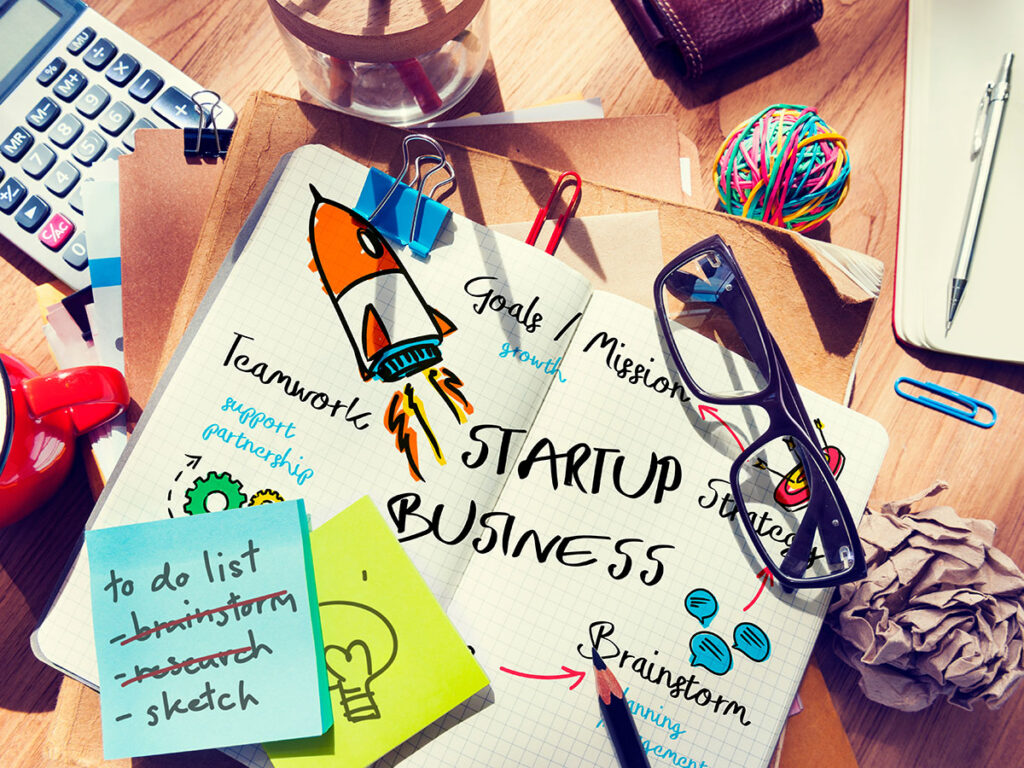
The Myth of the “Unicorn” Entrepreneur
We often glorify the Mark Zuckerbergs and Elon Musks of the world, but Becca points out that most of the economy runs on small businesses and everyday innovators—people who might not make headlines but who solve real problems in their communities. The key? Social entrepreneurship, or the idea that you can do well and do good.
Take Bombas socks, for example. They’re a for-profit company, but their “buy one, give one” model shows how businesses can thrive while making a difference. “You don’t have to sacrifice profit for purpose,” Becca explains. “It’s about building systems that are ethical, sustainable, and impactful.”
AI Won’t Replace Entrepreneurs—But It Will Change the Game
Of course, we had to ask: What about AI? If ChatGPT can draft business plans and brainstorm ideas, do we even need human entrepreneurs anymore? Becca’s answer is a resounding yes—with a caveat.
“AI is a tool, not a replacement,” she says. The danger? When people skip the empathy phase—the part where you actually talk to real humans—and let algorithms dictate solutions. “You can use AI to draft a pitch, but if you’re not out there understanding your stakeholders, your business won’t last.”

Why Failure Is Part of the Process (And Why That’s a Good Thing)
One of the most refreshing parts of our conversation was Becca’s take on failure. In a world obsessed with overnight success, she emphasizes that iteration is everything. The design thinking process—ask, research, prototype, test, repeat—isn’t just for products. It’s for careers, too.
“Most students think they need a 10-year plan,” she laughs. “But what if you focused on curiosity instead? Meet people, try things, and trust that you’ll adapt.” That’s the entrepreneurial mindset in action: being flexible enough to pivot when life (or the market) throws a curveball.
Final Thought: This Isn’t Just for Business Majors
Whether you’re a painter, a programmer, or a public-school teacher, Becca’s message is clear: Entrepreneurial thinking is for everyone. It’s about spotting opportunities, communicating your ideas, and—most importantly—daring to take the first step.
Listen now on Apple Podcasts, Spotify, or wherever you get your shows. And if you walk away with one thing, let it be this: You don’t need a startup to think like an entrepreneur. You just need to start.