

The Hidden World of Microbes: Why Poop, Bison, and Superbugs Matter More Than You Think
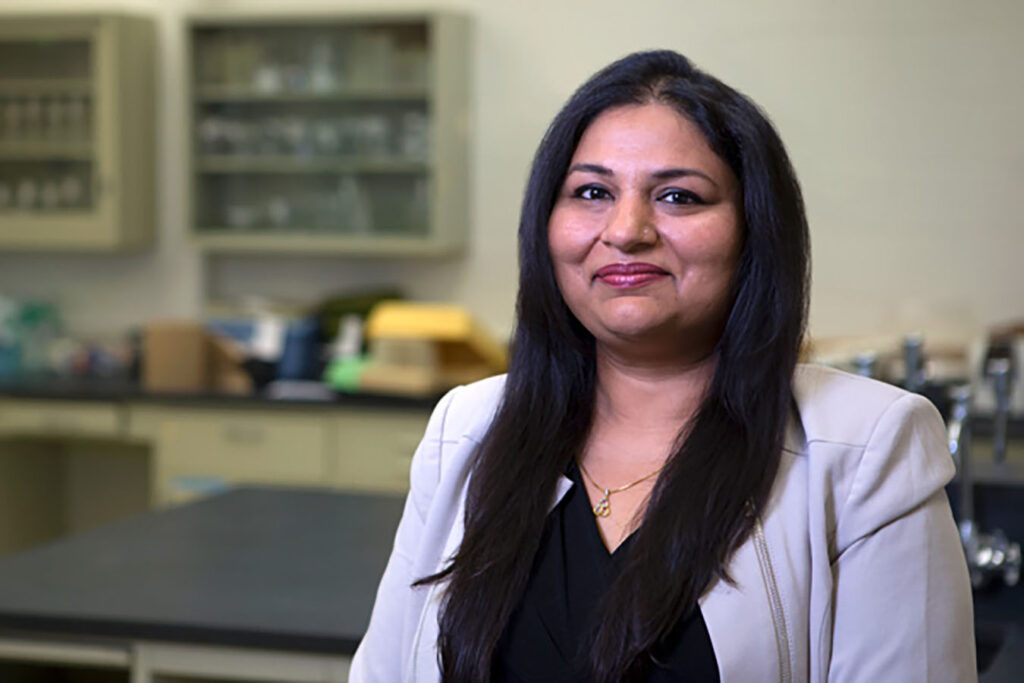
If you’ve ever thought microbes were just invisible specks—too small to care about—Pallavi Singh, Ph.D. is here to change your mind. In this eye-opening episode of STEAM Studio Spotlight, the molecular microbiologist takes us on a journey through the unseen ecosystems that shape our health, our food, and even the environment. And yes, it involves a lot of poop!
The Tiny Architects of Our World
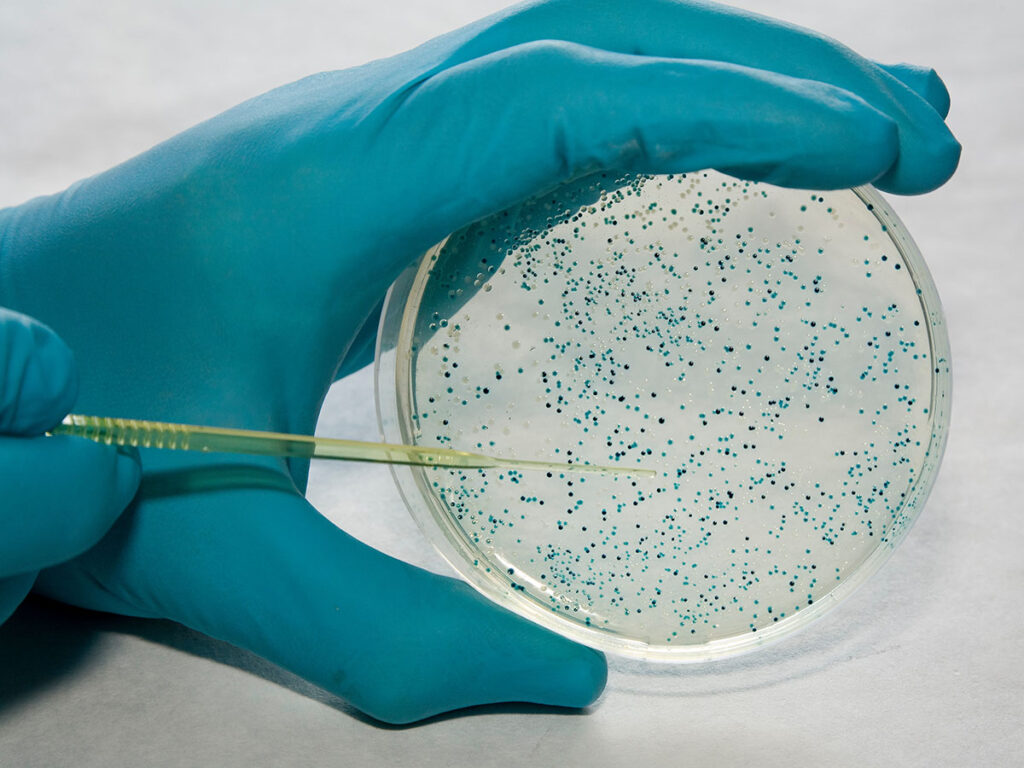
Singh doesn’t just study microbes—she sees them as brilliant survivalists. Take Shiga toxin-producing E. coli, for example. This gut bacterium doesn’t just cause infections—it fights its way through our body’s defenses, hijacks our systems, and even borrows deadly toxins from other bacteria like Shigella. “They’re like microscopic hackers,” she explains. But microbes aren’t just villains—they’re essential allies, helping digest food, train our immune systems, and even influence our moods through the gut-brain relationship.
Why Bison Poop Is a Big Deal
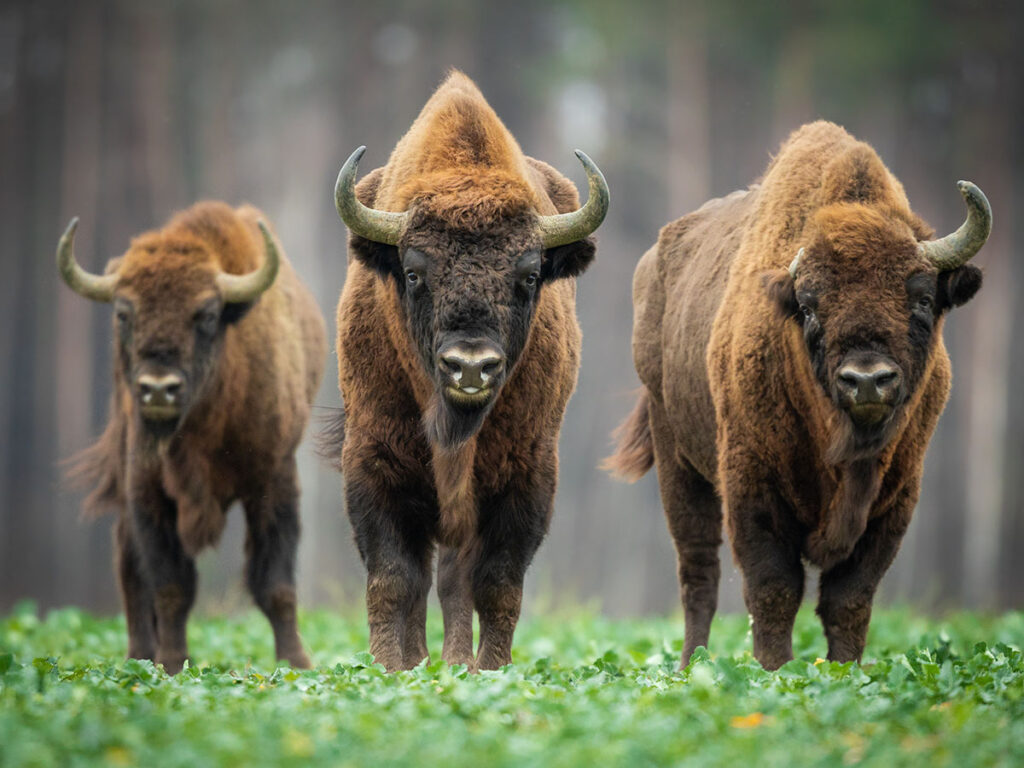
If you’ve ever seen a bison and thought, That’s one majestic creature, you’re not wrong—but Singh sees them as something more: ecosystem engineers. Their grazing, trampling, and (yes) pooping play a crucial role in restoring grasslands and cycling microbes through the environment. Her lab studies bison feces to understand how gut microbiomes affect animal health—and by extension, our food supply. (Fun fact: Bison jerky is rising in popularity because it’s leaner than beef. Who knew?)
The Antibiotic Crisis, Holistically
Here’s the scary part: The overuse of antibiotics isn’t just making infections harder to treat—it’s reshaping the microbial world in ways we can’t undo. Every time we take an unnecessary antibiotic, we’re not just wiping out harmful bacteria—we’re also killing off the good ones in our gut. And those antibiotics? They don’t just disappear. They end up in wastewater, rivers, and soil, where other bacteria evolve resistance. “We’re creating superbugs without even realizing it,” Dr. Singh warns.
What You Can Do (Yes, You!)
The good news? We’re not powerless. Simple actions—like finishing prescribed antibiotics (no early quitting!), never sharing meds, and properly disposing of unused pills—can slow the spread of resistance. As Singh puts it: “Microbes connect us all—humans, animals, the environment. If we want to stay healthy, we have to think bigger than just ourselves.”
Ready to Geek Out on Microbes?
This episode is a masterclass in why the tiniest life forms might be the most important. Whether you’re a science lover, a sustainability advocate, or just someone who’s curious about the weird world of gut bacteria, Singh’s passion is contagious. (Pun very much intended.)
Listen to the full episode now—before your next meal!