

From Farm to Fork: The Hidden Science Behind Your Food
Have you ever stopped to think about how that bag of chips or tub of chicken salad actually made it to your kitchen? Most of us don’t—until suddenly, the grocery store shelves are empty, or a social media post makes us question what’s really in our food.
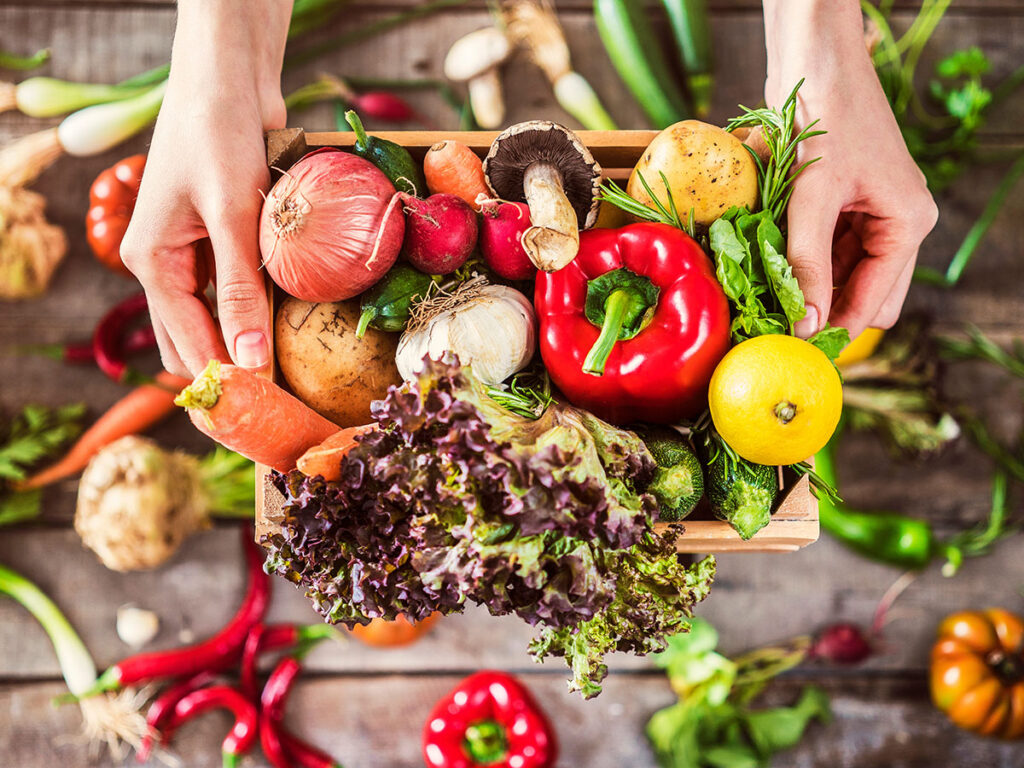
In this eye-opening Conversation From the STEAM Studio, we sit down with two experts who live and breathe the journey of food—from the fields where it’s grown to the factories where it’s transformed into the products we know and love. Rhodora Collins, an agricultural literacy coordinator, and Ashley Murcia, a food manufacturing storyteller, pull back the curtain on the incredible (and often overlooked) world of food production.
“There’s No Doritos Field” (And Other Truths About Your Food)
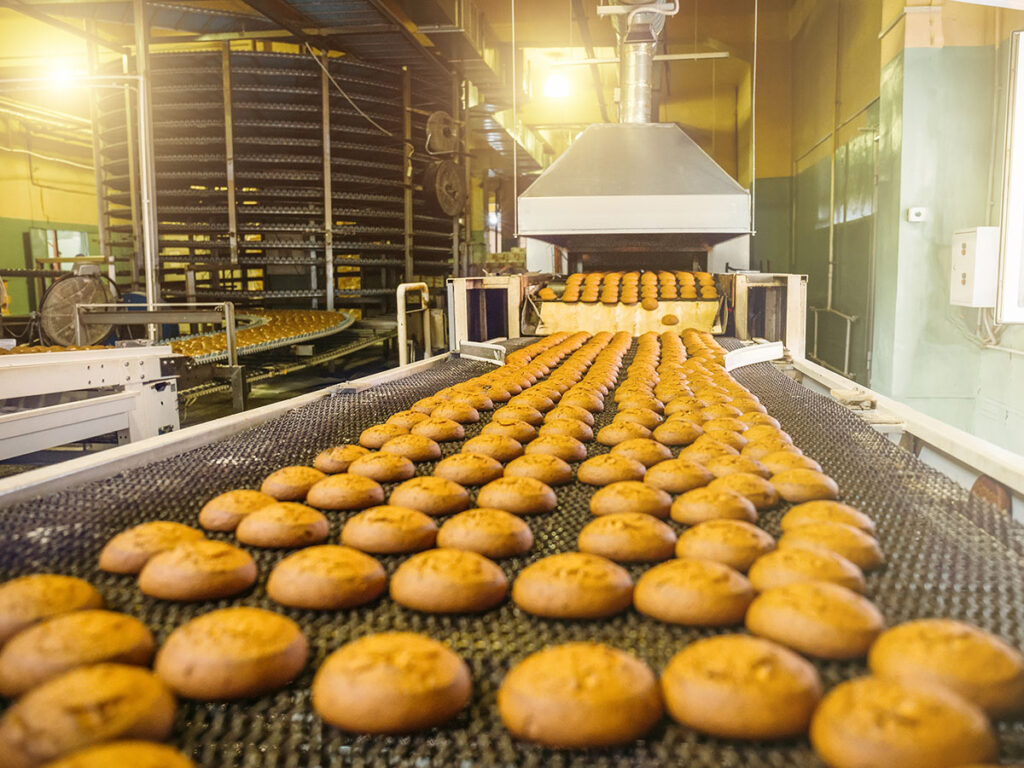
One of the biggest misconceptions? That food just appears in stores. Ashley loves blowing people’s minds with a simple truth: “That bag of Doritos had to be made somewhere. There’s no Doritos field out there.” It’s a lightbulb moment for kids and adults alike—realizing that every bite we take is the result of a vast, interconnected system of farming, science, engineering, and logistics.
Rhodora chimes in with her own favorite revelation: “Every single kernel of corn has its own silk. One silk, one kernel.” Even lifelong Midwesterners (yes, even those who grew up surrounded by cornfields) often gasp at that one (our hosts included!). But it’s not just fun trivia—it’s a gateway to understanding everything from crop science to why that sweet corn always seems to leave strands stuck in your teeth.
Lifting the Veil on Food Manufacturing
Both Rhodora and Ashley spend their careers “lifting the veil” on processes most of us never see. Ashley takes teachers and students behind the scenes at Suter Company, a 100-year-old food manufacturer, where they discover that food production isn’t just assembly lines—it’s a world of culinary innovation, engineering, and even marketing. “People drive by our building every day and have no idea what happens inside,” she says. “Then they see it, and suddenly, that tub of chicken salad feels like a miracle.”
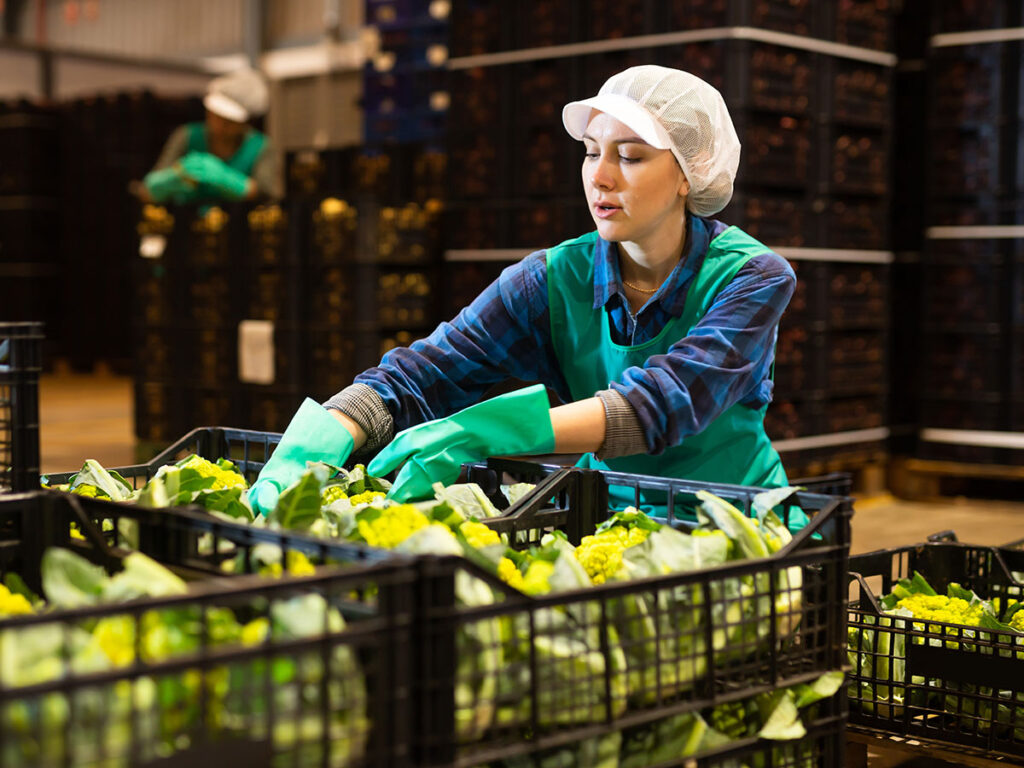
Meanwhile, Rhodora’s work with Illinois Ag in the Classroom helps kids (and educators) connect the dots between farms and their plates. She laughs about the fifth-grader who insisted his accountant dad “didn’t work in agriculture”—until they realized his company processed McDonald’s hamburgers. “Agriculture isn’t just farmers in overalls,” she says. “It’s chemists, drone pilots, food scientists, and yes, even accountants.”
Why the Pandemic Changed How We See Food
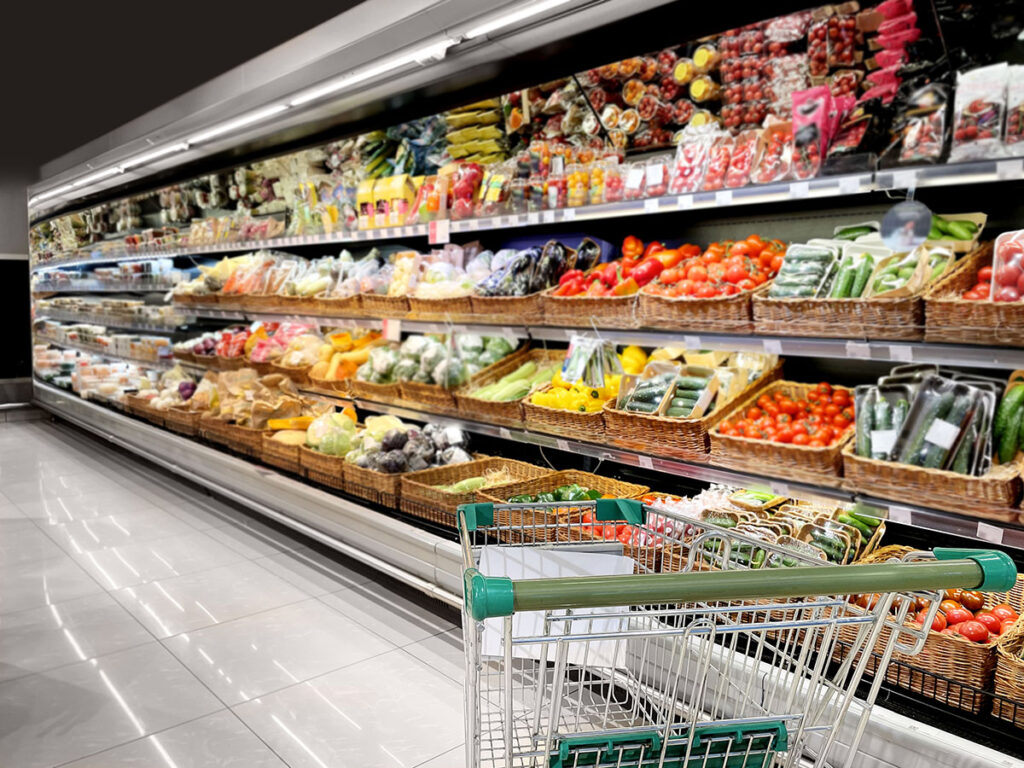
Remember the empty shelves and odd shortages of 2020? The pandemic was a crash course in supply chains for all of us. Rhodora and Ashley dive into why something as simple as a milk carton shortage isn’t just about cows—it’s about packaging, school schedules, and global logistics. “People finally saw how fragile the system can be,” Ashley notes. “But also how adaptable it is.”
Ready to rethink your food?
Listen to the full episode wherever you get your podcasts—and prepare to never take a bite for granted again.
(P.S. Want more? Follow Rhodora’s work at growyoungminds.org and Ashley’s storytelling at suterco.com.)