

High School Innovators Solving Real World Problems
How Students are Solving Real World Problems and Shaping the Future of Innovation
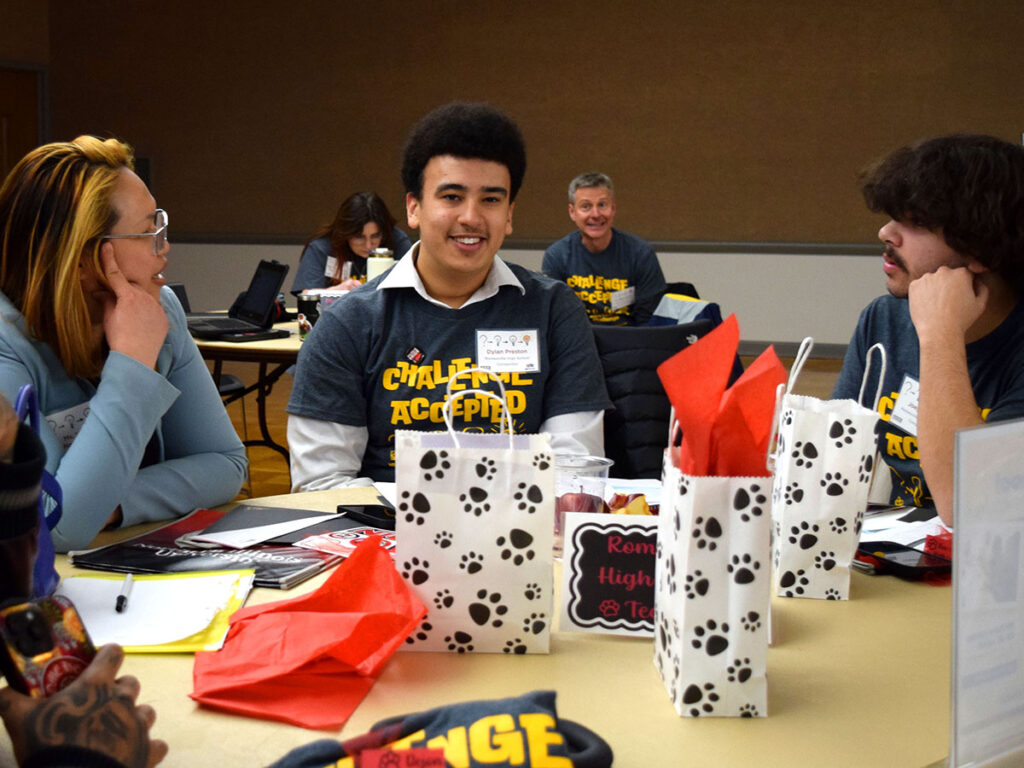
In a world increasingly driven by innovation, a group of high school students from Romeoville has proven that groundbreaking ideas begin with curiosity, collaboration, and the courage to solve real problems. At the NIU STEAM Innovation Challenge, these students excelled, earning first and third place with projects that tackled some of today’s most pressing global issues, including antibiotic resistance and microplastic pollution. Their success reflects something far deeper than competition results. It highlights the importance of process, mentorship and the future of workforce innovation.
Student innovation was fully on display throughout the challenge. One team explored antibiotic resistance, a growing global threat, by adapting a concept known as fecal microbiota transplantation. Rather than limiting their thinking to human medicine, the students examined how this approach could be applied in agriculture to prevent disease in livestock and reduce reliance on antibiotics. Their work focused on making complex treatments more accessible and scalable while reimagining delivery methods to improve real world adoption.
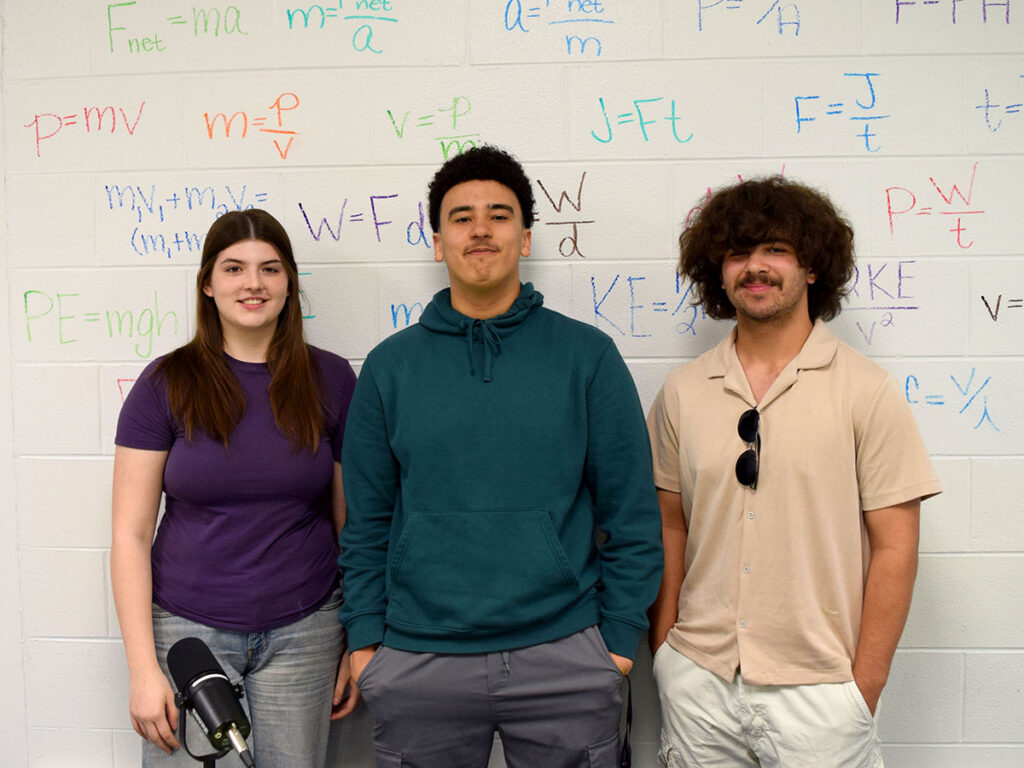
Another team turned its attention to environmental sustainability by addressing the issue of microplastic pollution. They developed an innovative concept using photocatalysis, with the goal of engineering plastics that can self-degrade in ocean environments. By preventing microplastics from entering the food chain, their idea aims to reduce harm to marine ecosystems and ultimately protect human health. This work reflects forward thinking environmental engineering and demonstrates how students are already contributing solutions aligned with global sustainability goals.
While the solutions themselves were impressive, what truly set these students apart was their process. They did not rush toward quick answers. Instead, they took time to understand the problems deeply, exploring multiple research paths and studying existing scientific literature to identify gaps where innovation was still needed. With limited classroom time, they extended their work beyond school, meeting in libraries, cafés, and study sessions to conduct deeper research and continually refine their ideas. Their journey was marked by trial, failure, and discovery, reinforcing that innovation is rarely linear.
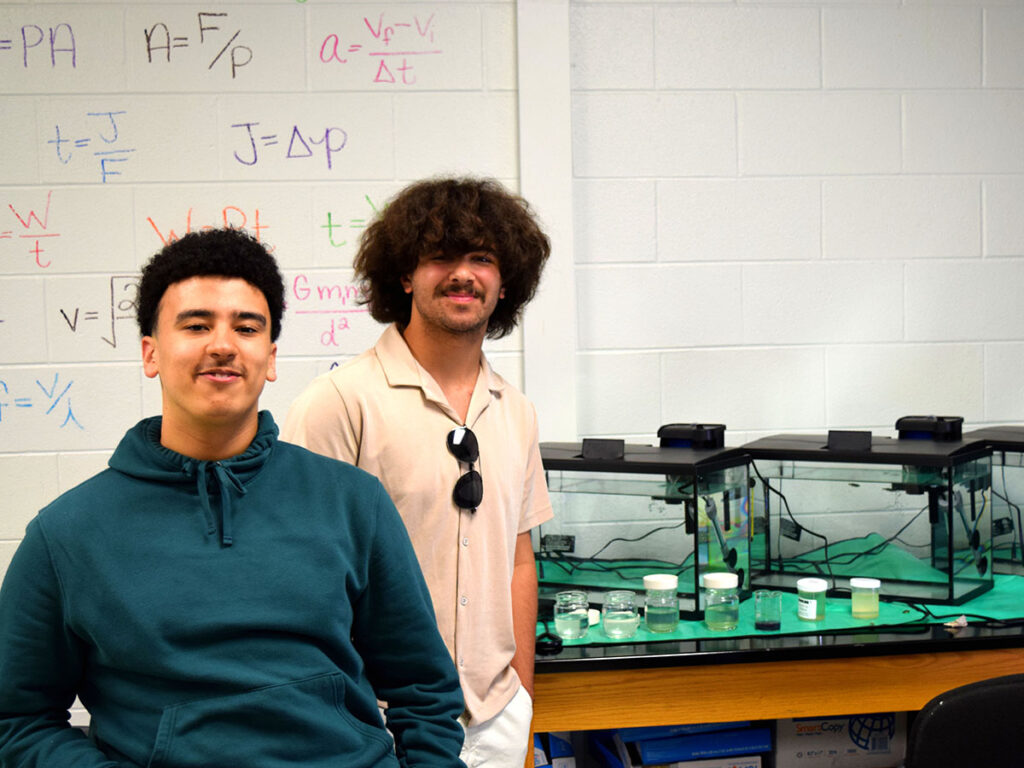
The students also recognized the importance of awareness and communication. They went beyond scientific research to think about how their ideas would be understood and received. Some created social media platforms to share their projects, while others focused on clearly explaining complex concepts in ways that would engage broader audiences. They learned firsthand that even the most brilliant idea only creates impact when people understand it.
Financial feasibility emerged as one of the most challenging aspects of the competition. Students had to consider material costs, production processes, and pricing models, determining whether their ideas could succeed beyond theory. This experience shifted their perspective, helping them realize that innovation is not only about what works in principle but also about what works in the real world.
Collaboration played a vital role throughout the challenge. Success came through open discussion, shared responsibility, and the willingness to challenge each other’s assumptions. Rather than treating ideas as individual contributions, teams built solutions together, strengthening both their outcomes and their learning experience.
The projects stood out because they combined originality with practical thinking. The teams aligned their work closely with judging criteria while maintaining a focus on real world feasibility. They communicated their ideas clearly, demonstrated persistence through uncertainty, and bridged the gap between science, business, and storytelling. This ability to connect disciplines reflects the skill set required of today’s most effective innovators.
Beyond the competition, these students represent a growing pipeline of future talent being shaped through programs like NIU STEAM. They are pursuing paths in medicine, engineering, food science, and business leadership, with ambitions that extend to launching companies, solving complex global challenges, and driving job creation through innovation. Dylan’s decision to attend Northern Illinois University to study engineering further underscores the critical role NIU plays in developing and retaining high potential talent within the region. His journey reflects how early exposure to hands on innovation programs can translate into continued academic and professional growth within the NIU ecosystem. Collectively, these students highlight the strength of a locally rooted yet globally relevant pipeline of innovators, and what is most striking is that they are only at the beginning of their journeys.
The NIU STEAM Innovation Challenge also reveals a powerful opportunity for greater collaboration between education and industry. Despite their achievements, students encountered limitations, including access to industry expertise, challenges in validating financial models, and difficulty scaling their ideas beyond the concept stage. These gaps point to the critical role that professional mentors and industry partners can play.
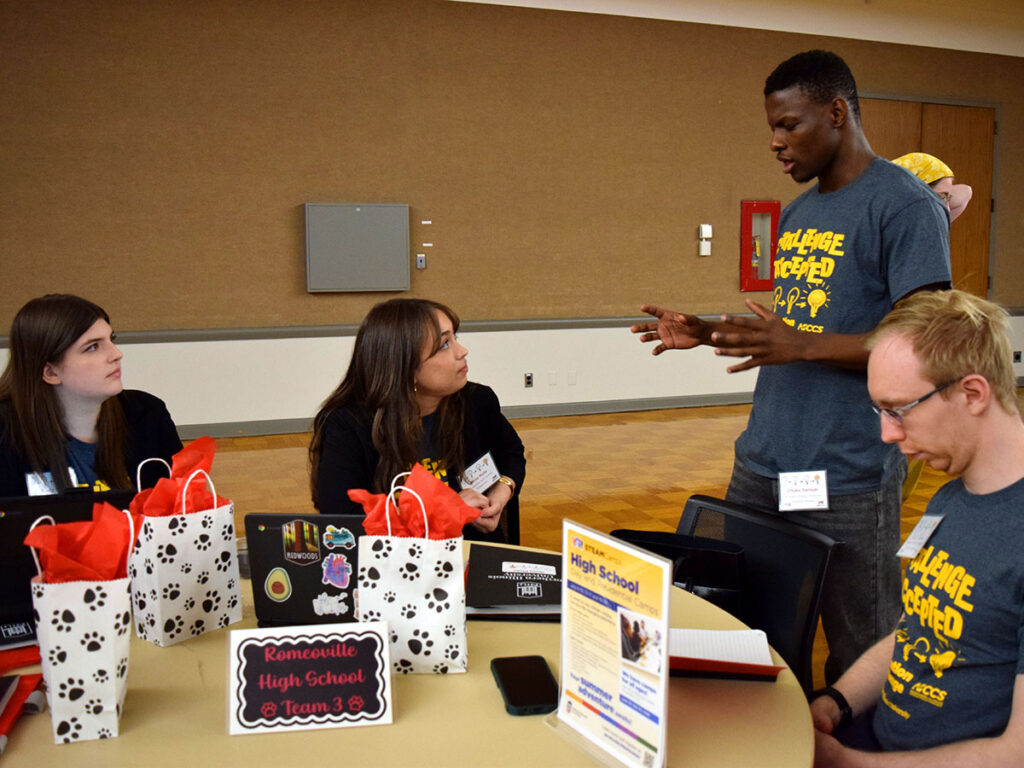
For businesses and organizations, the opportunity is significant. Engaging with programs like NIU STEAM allows industry leaders to identify and mentor high potential talent early, gaining fresh perspectives on real world challenges while helping shape the next generation of innovators. It also opens the door to supporting ideas that may evolve into startups, product innovations, or research initiatives. At the same time, these partnerships strengthen community engagement and demonstrate a commitment to workforce development.
Programs like the NIU STEAM Innovation Challenge are doing far more than educating students. They are building future ready professionals, encouraging entrepreneurial thinking, and driving innovation at its earliest stages. They are preparing students not just to enter the workforce, but to transform it.
Listening to these students makes one thing clear. Innovation is not something that lies in the future waiting to happen. It is already here. With the right support, mentorship, and collaboration, these young innovators will not simply participate in shaping what comes next. They will lead it. Now is the time for industry leaders to engage, partner, and invest in the talent that is already redefining what is possible.