

GPS Hasn’t Completely Replaced the ATLAS
By Chrissy Swartz
This blog post expands on our recent episode of Sound of Science, where Chrissy Swartz and Jasmine Carey explored the topic of “Does the Earth Have Two Moons?”
Hollywood is famous for casting heroes and placing them in situations that ensure at least some of the Earth’s population makes it through whichever “Emergency Extinction Event” has been whipped up in a flurry of explosions and near-death experiences for the hero, their love interest, and the rest of humanity. In Armageddon, Bruce Willis and his team of scrappy oil rig employees saved us all from near destruction by drilling a hole in an asteroid to detonate it Death Star style before it collided with Earth. In that same year, Tea Leoni exposed a governmental cover up involving a rogue comet with Earth in its sites. Robert Duvall was employed by President Morgan Freeman, as a result of the exposé, to also use explosives to disrupt the comet’s path of destruction in the movie Deep Impact.
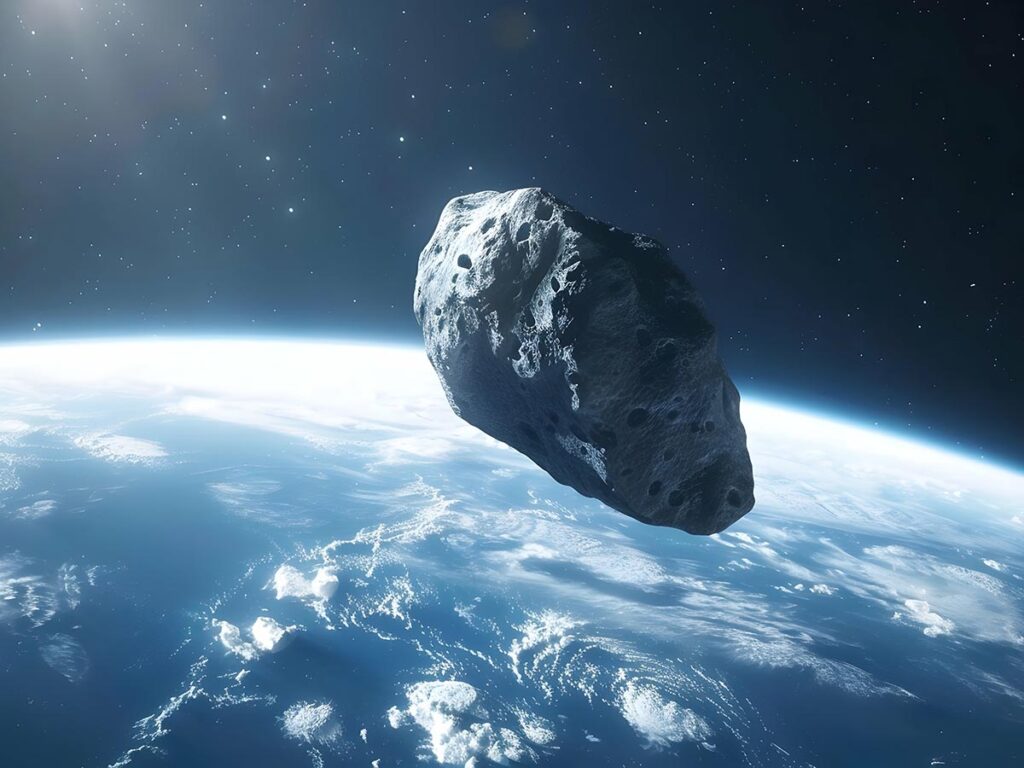
Are Emergency Extinction Events released in cinematic form involving space debris really something of concern? Will we get more than 48 hours’ notice that humanity is in jeopardy? Is that even enough time to track down Dwayne “The Rock” Johnson, Gerard Butler, or Jason Momoa?
Rest easy, our well-being is looked after consistently by NASA’s Asteroid Terrestrial-Impact Last Alert System, or ATLAS. The ATLAS system consists of 4 observatories located in Hawaii (X2), Chile, and South Africa that sweep the entire dark sky every 24 hours searching for NEOs or near-Earth Objects. The first two locations, opened in Hawaii in 2017, were later joined by Sutherland Observing Station in South Africa and the El Sauce Observatory in Chile in 2022.
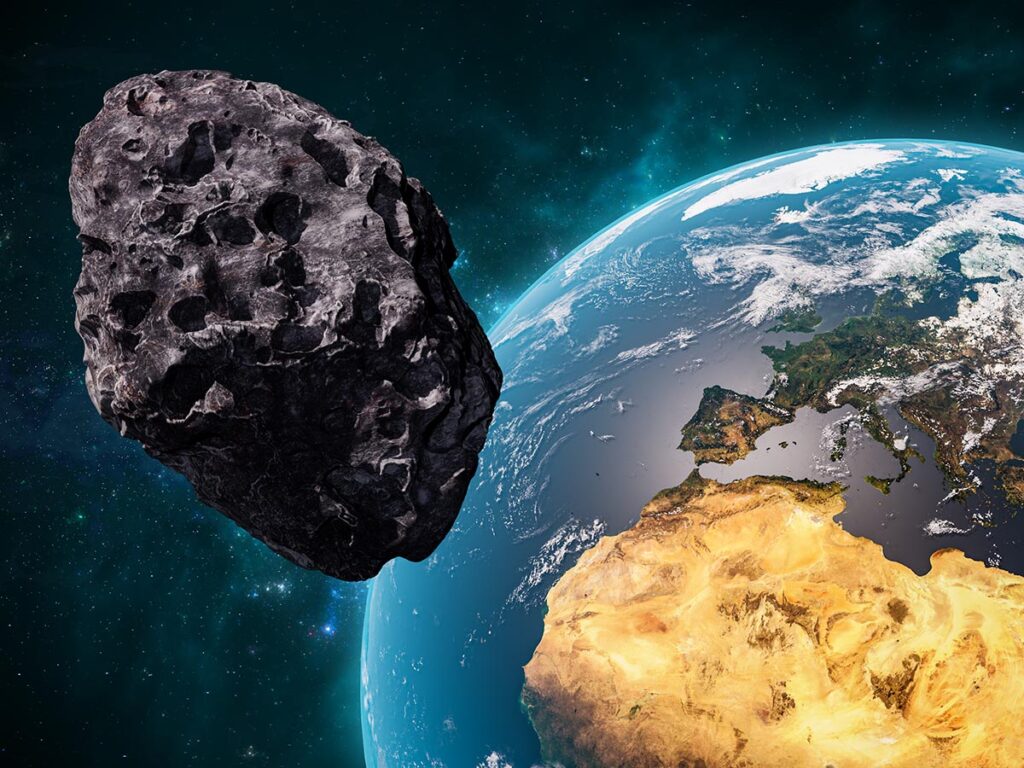
From space debris the size of a standard tractor trailer to larger than multiple football fields, ATLAS can give us a warning a week out for smaller objects and weeks out for a planet destroyer. To give perspective, a 40 mile wide asteroid could transform Earth into an uninhabitable planet, and an asteroid 1/3 as big as the moon would cause certain mass extinction.
Before we all start digging to start an underground society, NASA feels strongly that though no system can be 100% reliable, ATLAS is something partnered with other redundancies is pretty darn close. With the expansion of observatories, both Northern and Southern Hemispheres are covered. Orbit calculations that are derived from data collected by ATLAS are shown to be highly accurate. With the frequency of scans and wide field of view, the ATLAS observatories have the capability to give us significant warning of incoming space objects. And along with continued funding, and its addition to other NASA search systems, ATLAS will only continue to become more instrumental in the location of near-Earth objects. For now, our Hollywood action stars can rest easy with the knowledge that humanity is safe…at least from the skies.