

Hacking Away at the Future, One Innovation at a Time
By Chrissy Swartz, NIU STEAM Educator
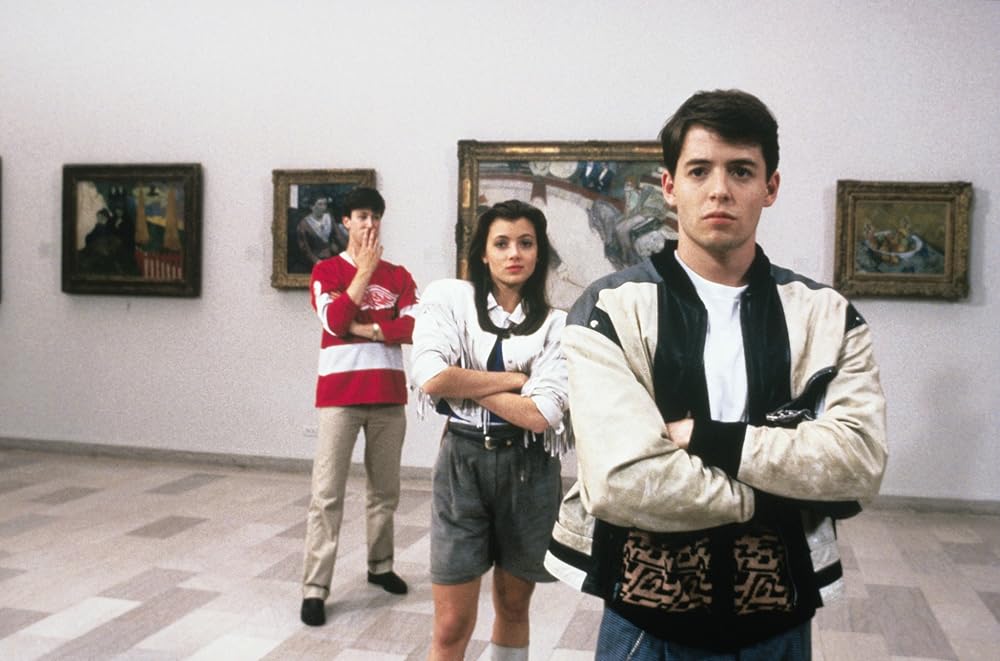
The 1986 movie, Ferris Bueller’s Day Off1, helped an entire generation gain a pearl of pop culture wisdom that would shape their lives forever: “Life moves pretty fast. If you don’t stop and look around once in a while, you could miss it.” We had no idea in the mid-80’s how much faster life, and the world could really move.
In today’s modern-day environment where problems evolve faster than their solutions, a wider net of innovative thinking, communication, collaboration, and problem-solving agility must be cast. One of these nets comes in the form of fast-paced collaborative competitions where high school, community college, and university students are pushed to tackle real world problems: Hack-a-thons and innovative challenges.
A Hack-a-thon (hack marathons) are events with a specific time limit that challenge individuals or teams to design, prototype and present a solution to a specific problem. The “hack” comes into play from their origination in the world of technology where new software, applications or tools were hacked together by developers and programmers within a window of 24-72 hours.

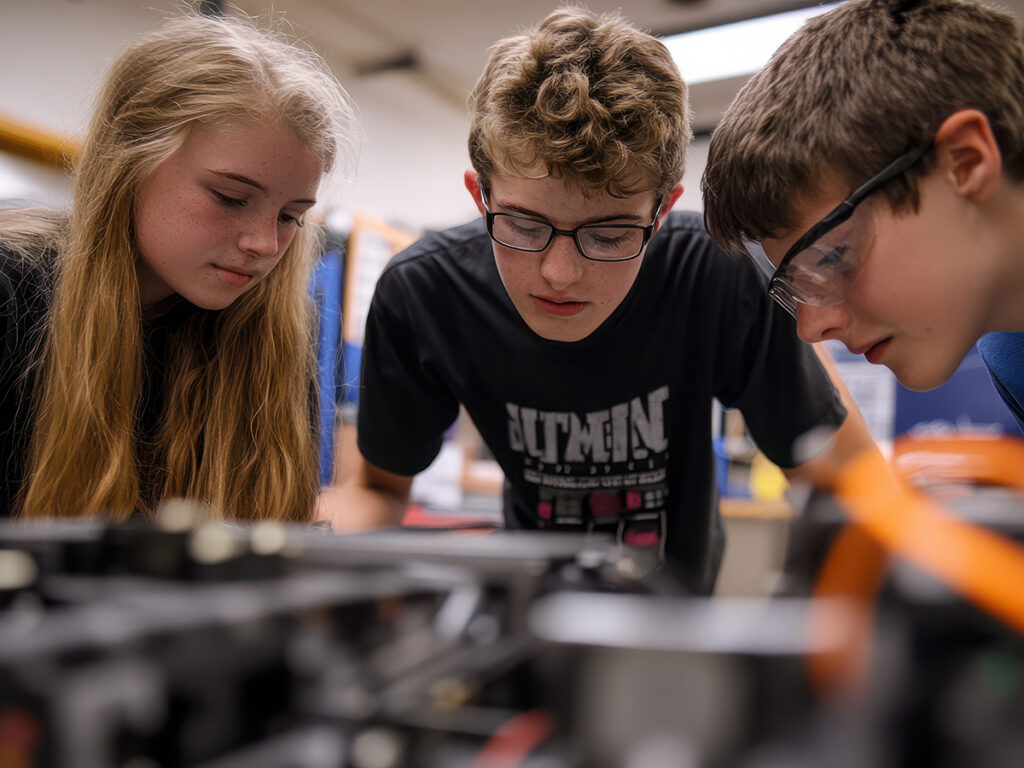

Innovation challenges aren’t so time bound. They are broader in scope and may be scaffolded over a period of weeks or months. These challenges are often built around a broad authentic problem statement that emphasizes deep thinking, research and creativity. Solutions can be built out technically or presented board room style utilizing pitches.
These sound like a great way to get students engaged and participating in scholastic competitions, but do either of these incubators of real world, fast-paced, problem-based solutions have a place in the real world? Their existence is imperative.
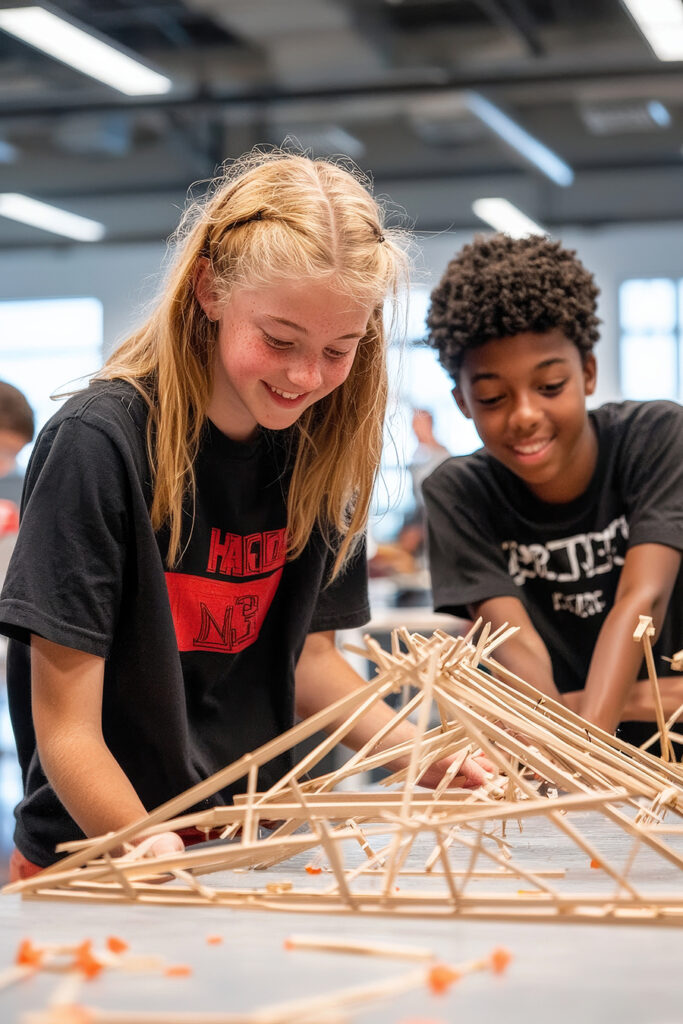
These competitions, at their minimum, give students about to make their debut into the workforce a taste of the 21st Century Employability Skills/Employability Competencies that many sectors deem non-negotiable when looking to add to their employment rosters. The ability to think critically about a given problem, communicate effectively about what the problem entails and its possible solutions, planning/organizing/completing tasks, reliability, and accountability are only a few areas where students get to rehearse skills in an arena that allows for growth through both success and failure.
However, the greatest impact that these competitions have is farther reaching than just prototypes, prize money and trophies. Hack-a-thons and innovation challenges train generations of thinkers to believe that problems are solvable and that students, whatever age they might be, have valuable creativity and ingenuity to contribute. Even if the results generated by a single competition do not completely solve the posed problem, the growth mindset that is cultivated through the iterative process of interpreting, building, testing and revising models keeps the constant evolution of these systems alive. Some of the solutions produced during competition do have the potential to move forward into real-world engineering and entrepreneurial environments. But more importantly, each generation of competitors provides new, innovative solutions that allow us to believe that one day we might be able to keep up with ever-evolving problems that are an inevitable byproduct of our fast-paced lives.
Have a student group you’d like to mentor? Attend one of our online innovation challenge educator information sessions on September 23 or October 14. Learn more about the challenge here.
- Image Source: https://m.media-amazon.com/images/M/MV5BMjAwMDYwMTYxNl5BMl5BanBnXkFtZTcwMTIzNDY4Mw@@._V1_FMjpg_UX1000_.jpg ↩︎