

Beyond the Blueprint: Why the Best Ideas Need a Great Pitch
If you picture an engineer’s work, what do you see? Maybe it’s complex equations scrawled on a whiteboard, or precise CAD models on a screen, or the satisfying click of a prototype finally coming together. We see the technical triumph—the solved problem.
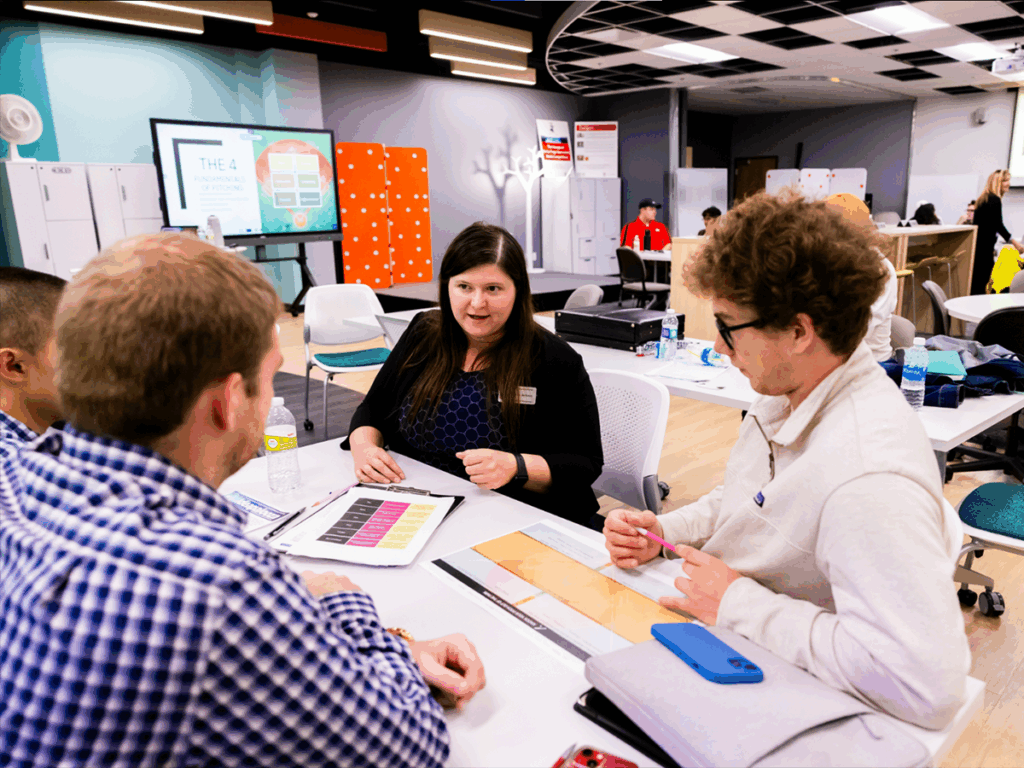
But what happens next? What happens when that brilliant technical solution has to leave the lab and enter the real world? It has to be explained, justified and sold. It needs a budget, buy-in, and a team behind it. Suddenly, the most elegant engineering is useless without something often overlooked: a great pitch.
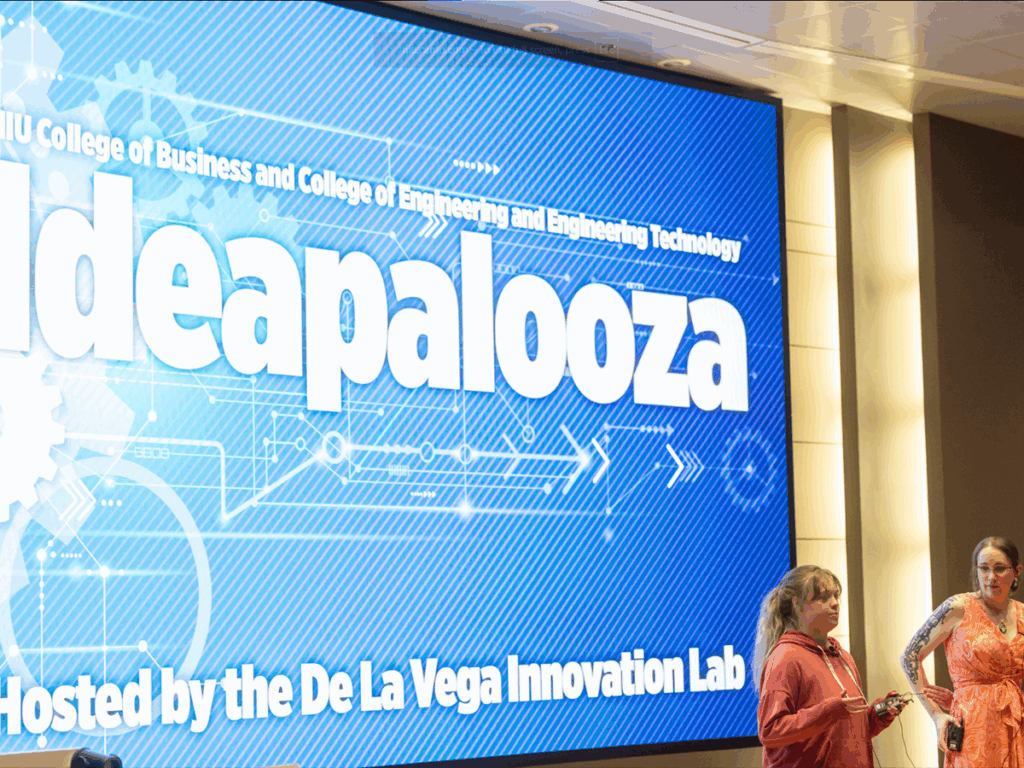
This is the exact gap that a pioneering program at NIU called IdeaPalooza is designed to fill. In our latest episode of the STEAM Studio Spotlight podcast, we sit down with the two passionate architects behind this initiative: Nick Pohlman, PhD., professor of Mechanical Engineering here at NIU, and Becca Husar from the NIU College of Business’s De la Vega Innovation Lab.
Their conversation is a fascinating look at what happens when you smash together the structured world of engineering with the dynamic, human-centered world of entrepreneurship.
It’s More Than a Capstone Project; It’s a Launchpad
At its heart, IdeaPolooza is built around the senior design capstone project—the culmination of an engineering student’s education where they solve a real problem for a real company. But Nick and Becca saw that students were emerging as incredible technical thinkers who were nonetheless unprepared for the conversations that happen after the design is complete.
As Becca shares, when she asked industry sponsors what skills they wished new graduates had, the answer was unanimous: “They all said communication skills, collaboration, project management. None of them thought the engineering degrees needed more technical support.”
The problem wasn’t the engineering; it was the translation.
The “Demo Day” Dress Rehearsal
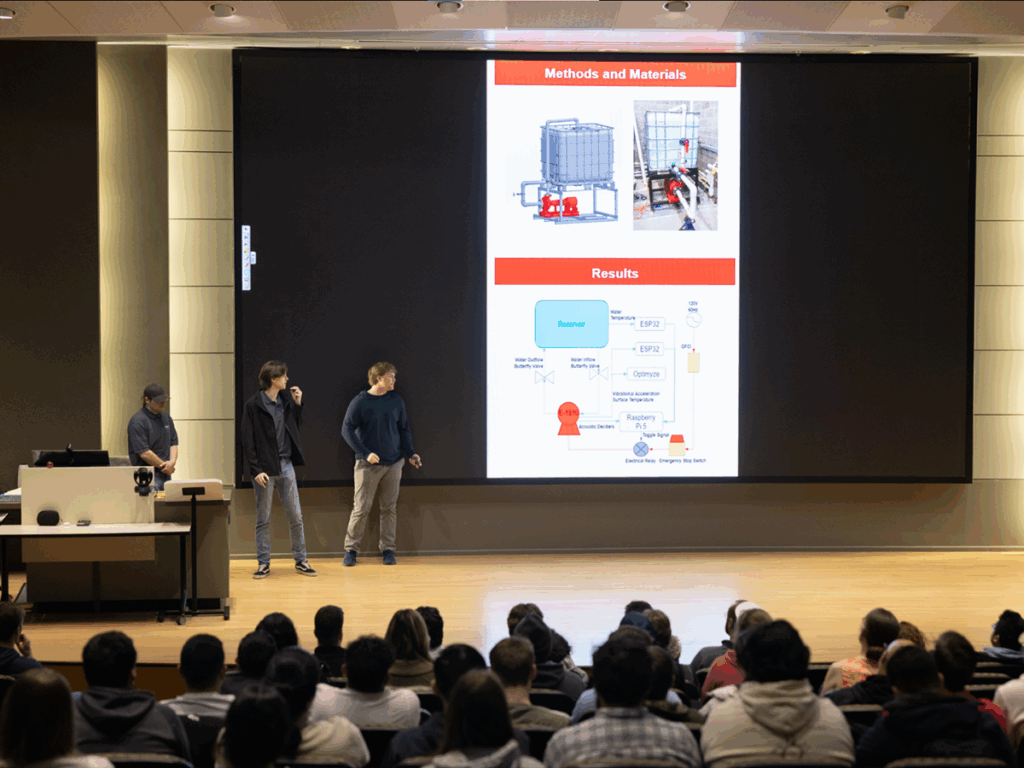
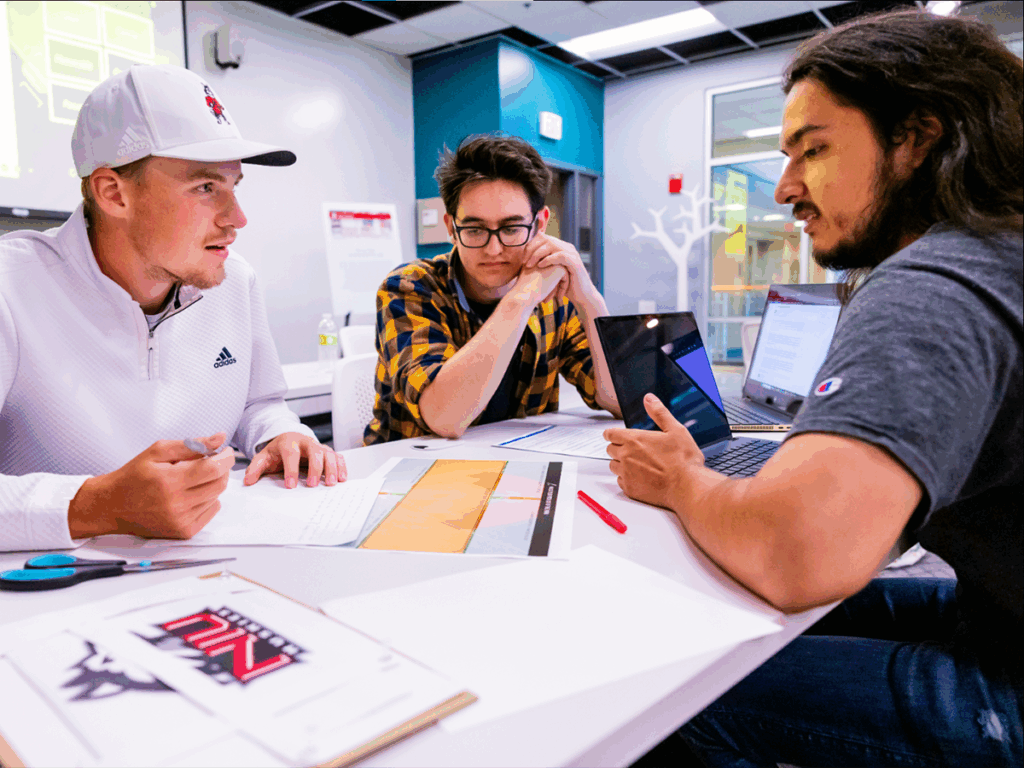
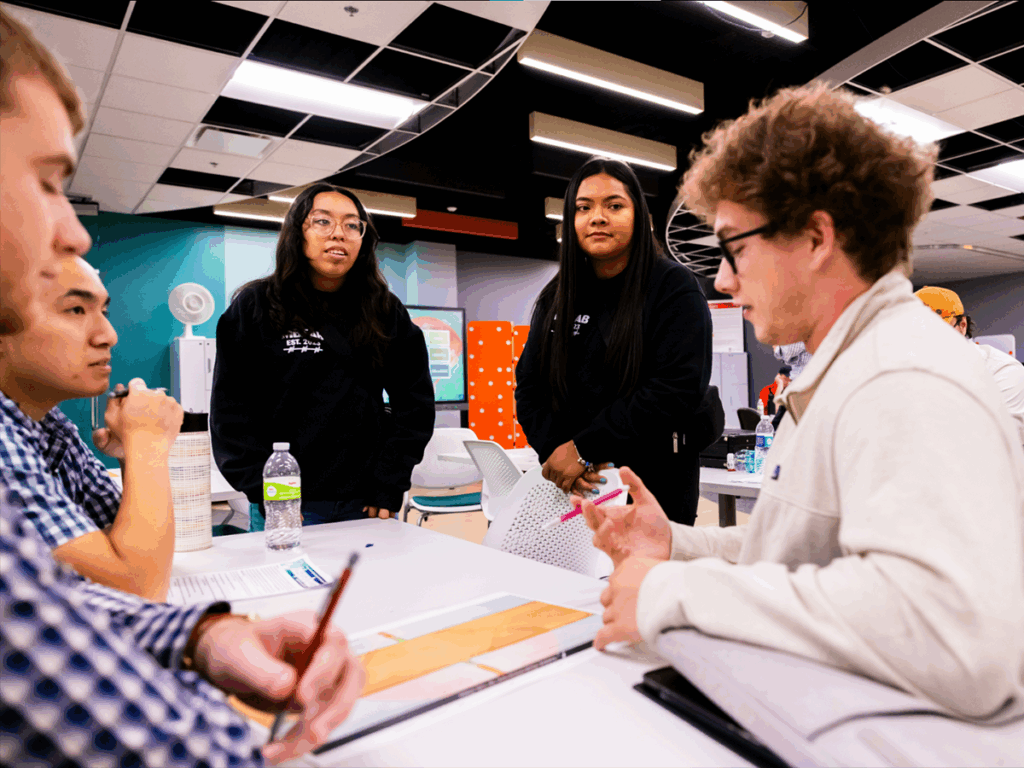
The most captivating part of their story might be the brilliant “demo day” rehearsal they created. Imagine this: engineering students, fresh off finalizing their projects, walk into the College of Business. Waiting for them are business students who have been tasked with playing specific roles—a skeptical industry professional, a curious alum, a potential investor with limited technical knowledge.
The engineers have to pivot on the spot, tailoring their pitch to each unique stakeholder. It’s safe, it’s controlled, but it’s incredibly real. Nick recounts the moment a student raised their hand and asked, “So… could we have 3 to 4 minutes to figure out what we’re going to do?” It was a lightbulb moment. The work of understanding your audience should have already been done.

This is where theory meets practice. It’s where an engineer learns that a rainbow-colored stress analysis is beautiful to them, but might be meaningless to the person holding the purse strings unless you can explain why it matters.
This isn’t just a story for engineers or business students. It’s for anyone who has ever had an idea that they struggled to get others excited about. It’s about the universal need to connect what we do with what other people need.
Nick and Becca’s energy is infectious. They finish each other’s sentences, laugh about early missteps, and share a obvious genuine belief in their students. They aren’t just teaching; they’re building a bridge.
So, if you’ve ever wondered how a great idea becomes a reality that people actually care about, we highly recommend giving this episode a listen. It might just change how you think about your own next big idea.