

Rethinking School Health: A Conversation with Professor Carolyn Pluim
When we think about schools, we often imagine classrooms, textbooks and maybe the occasional science fair. But schools have quietly taken on another massive responsibility—student health. From nutrition programs to anti-drug campaigns, schools are expected to address nearly every aspect of children’s well-being. But is this the best approach? And what happens when well-intentioned policies miss the mark?
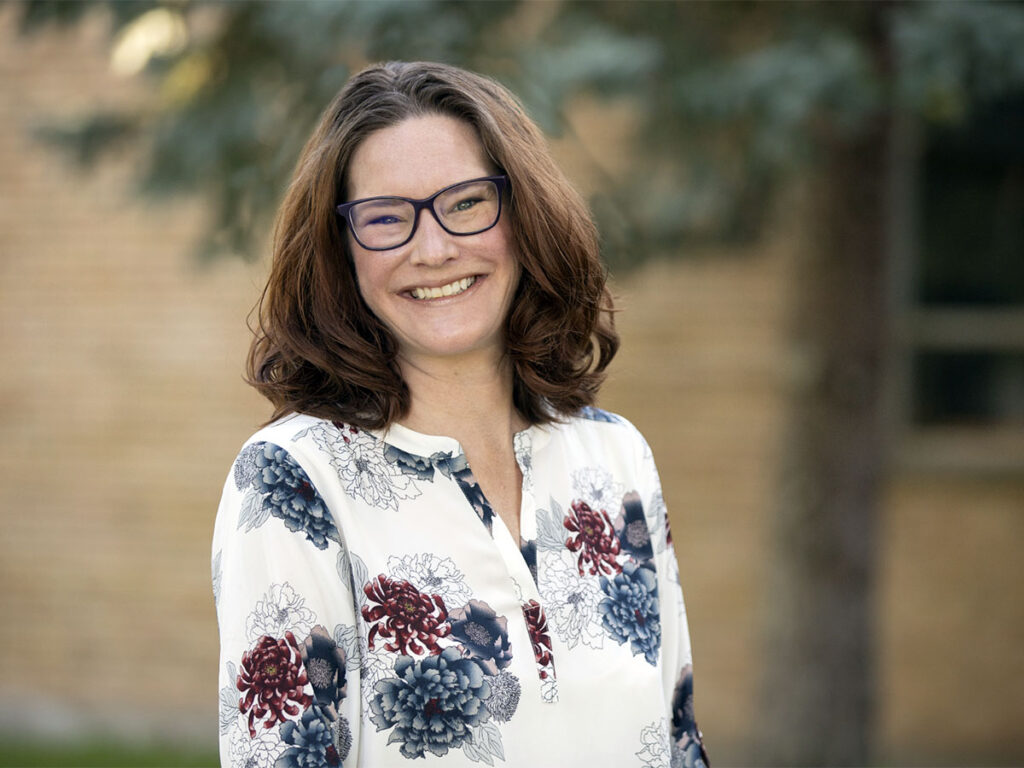
In this episode of the STEAM Studio Spotlight, we sit down with Carolyn Pluim, PhD, a researcher and professor who specializes in the sociology of education and school health policy. Her work asks tough but necessary questions: Are schools really the best place to solve public health challenges? Who benefits from these policies—and who gets left behind?
The Problem with “Doing Something”
One of the most striking points in our conversation was Professor Pluim’s critique of the common belief that doing something is always better than doing nothing when it comes to school health interventions.
“Maybe doing nothing is better than doing something,” she suggests.
It’s a provocative idea, but she backs it up with examples. Take the classic “Just Say No“ anti-drug campaigns—widely known to be ineffective yet still lingering in schools. Or obesity prevention programs that focus on personal responsibility rather than systemic issues like food access. When interventions don’t work—or worse, cause unintended harm—why do they persist?
Who Really Benefits from School Health Policies?
Pluim doesn’t just question whether schools should handle health—she asks how these policies come to be in the first place.
Did you know the National School Lunch Program was originally designed, in part, to help farmers sell surplus food? Or that terms like “food desert“ can obscure deeper injustices?
This isn’t just about semantics. The language we use shapes the solutions we pursue—and who gets blamed when those solutions fail.
A Call for Ethical, Democratic School Health
So, what’s the alternative? Professor Pluim isn’t arguing that schools should abandon health initiatives altogether. In fact, she points to powerful successes—like free meal programs that drastically reduced child poverty during the pandemic. But she urges a more critical, ethical approach:
- Centering structural inequities over individual blame
- Empowering teachers and students to question the messaging they receive
- Advocating for policies that address root causes, not just symptoms
Perhaps most compelling is her belief that schools should foster critical thinkers, not passive consumers of health messages. “I’d rather have students questioning assumptions,” she says, “than just accepting everything they’re told.”
Why You Should Listen
This episode isn’t just for educators or policymakers—it’s for anyone who cares about how we shape the well-being of future generations. Professor Pluim’s insights challenge us to rethink the role of schools in health, the influence of corporate interests, and the way we frame problems in the first place.
Listen to the full episode now on Spotify, Apple Podcasts, or wherever you get your podcasts.