

Behind the Scenes of Medical Laboratory Science: A Conversation with Professor Jeanne Isabel

If you’ve ever had blood drawn, received a diagnosis from a lab test, or wondered how doctors get the critical data they need to treat patients, then you’ve indirectly interacted with the world of Medical Laboratory Science (MLS). But how much do we really know about the professionals behind these essential—yet often unseen—healthcare roles?
In this episode of STEAM Studio Spotlight, we had the privilege of sitting down with Jeanne M. Isabel, EdD, MLS, SH(ASCP)cm, a veteran in the field whose career spans decades, continents, and countless breakthroughs in laboratory medicine. From her early days as a medical technologist to her international work training lab professionals in countries like Eswatini (formerly Swaziland) and Belize, Dr. Isabel’s journey is a testament to the vital—and evolving—role of MLS in global healthcare.
The Hidden Backbone of Medicine
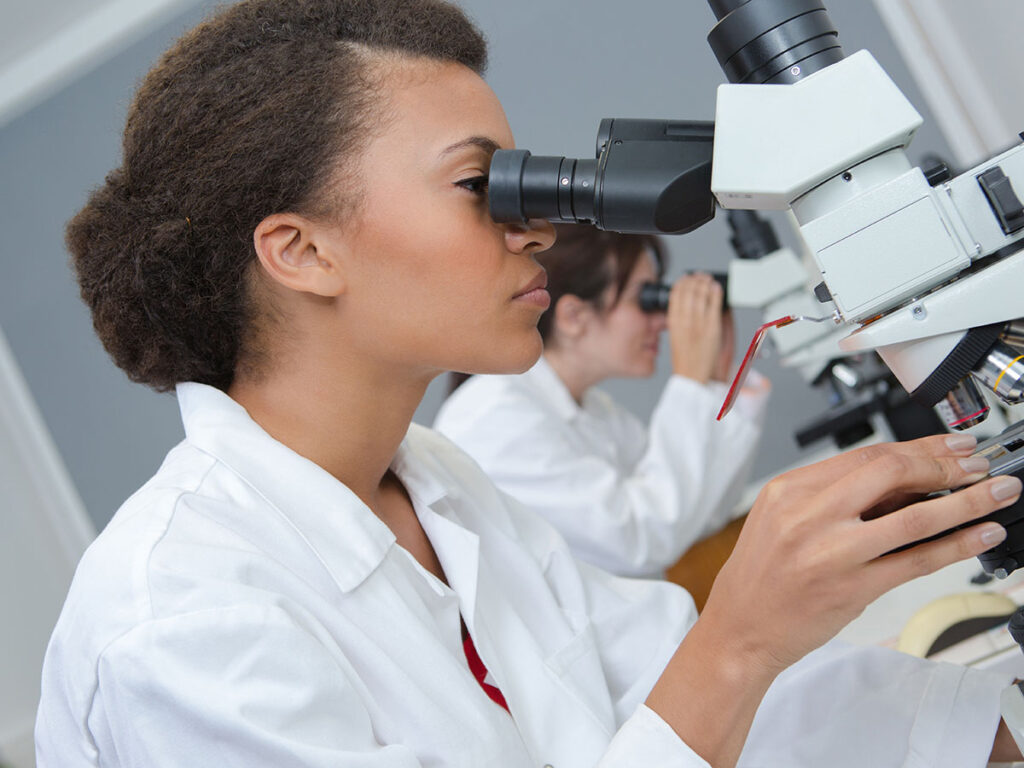
Most of us don’t think much about what happens after a doctor orders a lab test. But as Isabel explains, medical laboratory scientists are the detectives of healthcare, analyzing samples, troubleshooting complex instruments, and ensuring that results are accurate—because lives depend on it.
“We don’t always interact directly with patients,” she says, “but the work we do is foundational to diagnosis and treatment.” Whether it’s identifying infections, matching blood types for transfusions, or even detecting early signs of disease, MLS professionals operate behind the scenes to keep healthcare moving.
From Manual Tests to Robotics—And Why Human Expertise Still Matters
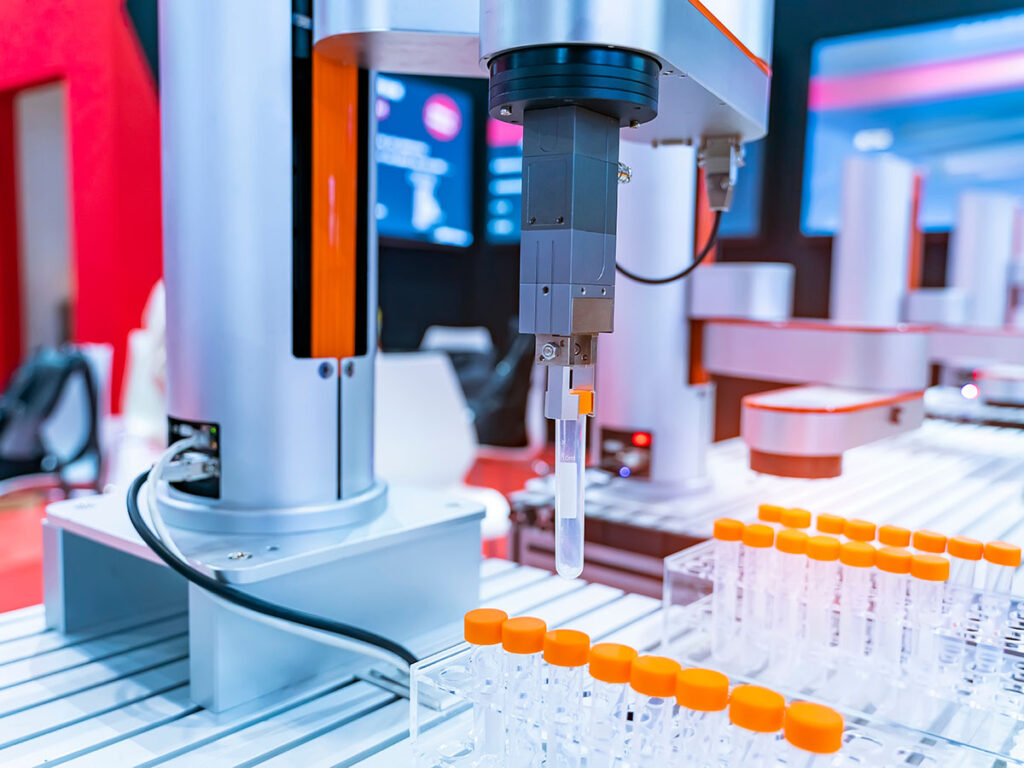
One of the most fascinating parts of our conversation was hearing how much the field has transformed. Isabel recalls a time when lab work was far more hands-on, with technicians meticulously performing tests by hand. Today, automation and robotics handle much of the routine work—but that doesn’t mean machines have replaced human judgment.
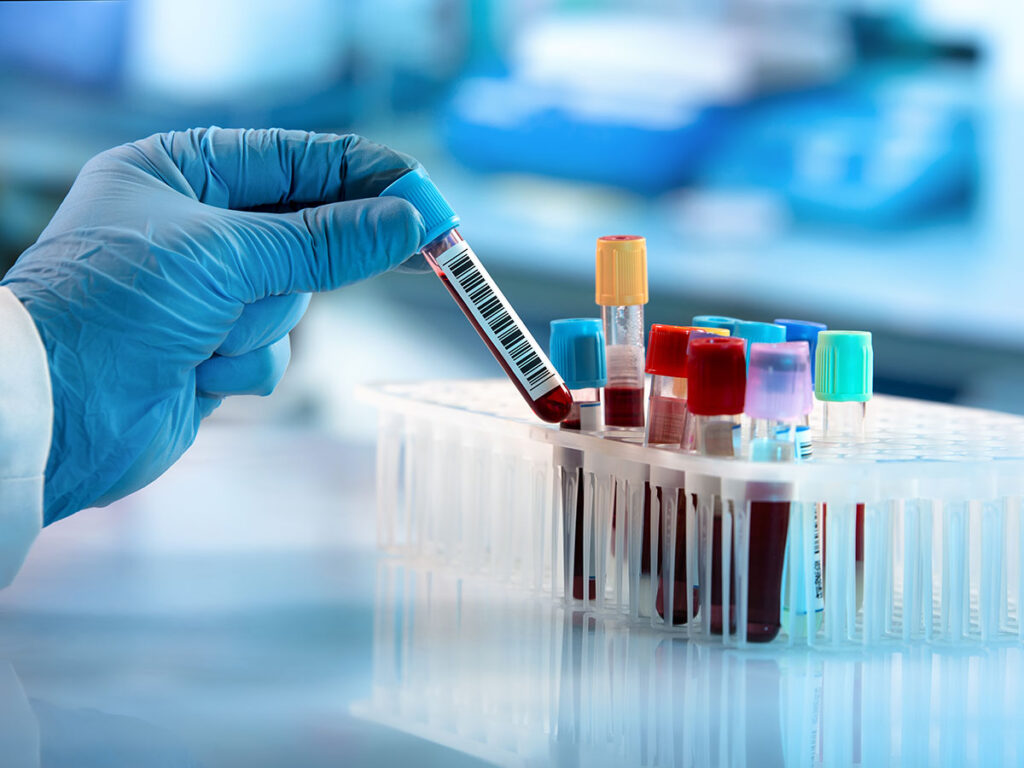
“We teach students not just how to run tests, but how to understand them,” she emphasizes. “If something goes wrong, they need to know why—not just push a button and hope for the best.”
And with the rise of artificial intelligence in diagnostics, Dr. Isabel remains confident that MLS professionals will always be essential. “AI might help interpret complex results, but someone still needs to validate those findings and ensure they make sense for the patient.”
A Career with Global Impact
Beyond the lab, Dr. Isabel’s work has taken her around the world—from training lab technicians in rural Africa to consulting on modern hospital systems in Namibia. She shares eye-opening stories about the differences in healthcare infrastructure and how resourcefulness often makes all the difference.
One standout moment? Teaching a lab tech in Swaziland how to draw blood for emergencies when floods cut off supply routes. Years later, she received a letter thanking her—proof that even small skills can have a lasting impact.
Why MLS Might Be the Perfect Career You’ve Never Considered
For students exploring healthcare careers, MLS offers something rare: a stable, high-demand job right out of undergrad. Unlike many medical fields that require advanced degrees, MLS professionals can enter the workforce after a bachelor’s program—with hands-on hospital training built into their education.
Professor Isabel also highlights the field’s flexibility. Graduates can work in hospitals, public health labs, research, or even sales for medical equipment companies. And for those who love problem-solving? “Every day is like piecing together a puzzle,” she says.
Isabel’s passion for MLS is contagious, and by the end of the conversation, you’ll see why this unsung profession is so critical to modern medicine.
Listen to the full episode now—and discover the science you never knew was shaping your health.