

When a Dart at a Map Leads to STEAM Magic: Jess Winn’s Unconventional Teaching Journey
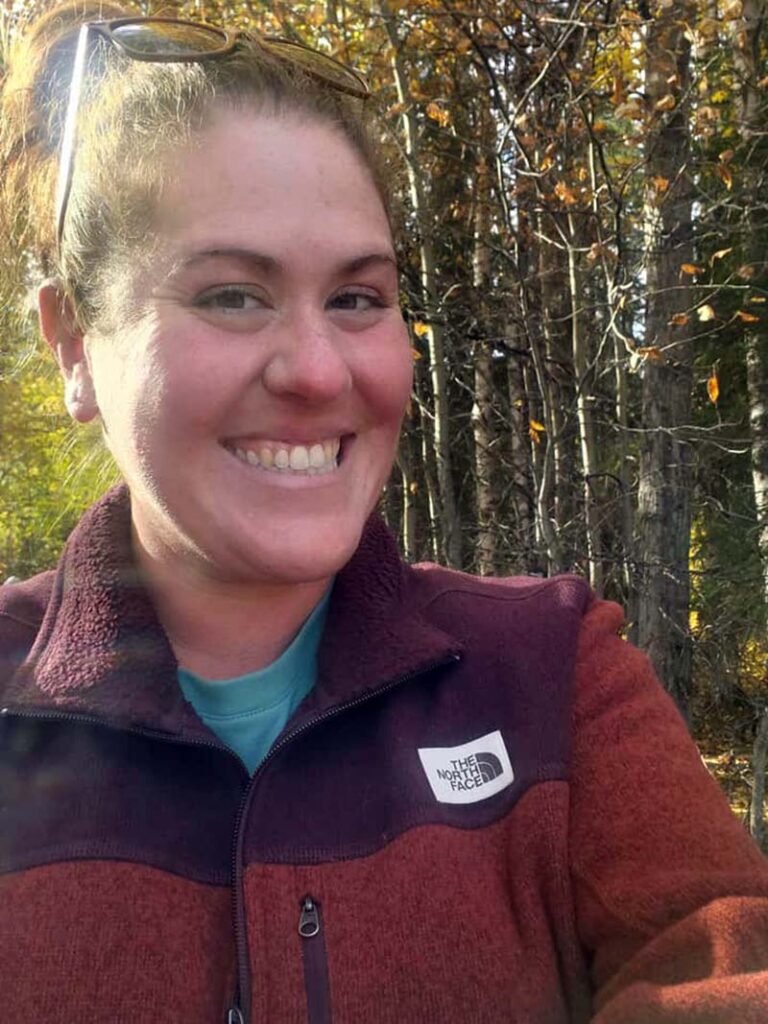
Picture this: A recent college grad throws a dart at a map to decide her future. It lands on Alaska—and suddenly she’s teaching in national parks, writing curriculum for NASA, and eventually helping Illinois middle schoolers tackle social justice issues through 3D printing.
That’s the whirlwind story of Jess Winn, one of those educators who makes you think, “Why don’t all teachers have adventures like this?” I had the chance to sit down with her for our latest STEAM Spotlight episode, and within minutes, I realized: This isn’t just a conversation about lesson plans. It’s about what happens when you treat education like the wild, messy, exhilarating journey it should be.
“Wait—Cornfields Don’t Feed People Here?”
Jess’s first culture shock after moving from Alaska to Illinois wasn’t the lack of mountains—it was the corn. “Back home, farms meant farmers’ markets,” she laughed. “Here, I learned most corn isn’t even for eating! It’s for ethanol, livestock feed, plastics… My students and I fell down this rabbit hole about agricultural economics, and suddenly we’re doing math with crop yield data.”
That’s classic Jess: spotting teachable moments in everyday surprises. Whether she’s using DeKalb’s sunset colors to explain light refraction or turning a tornado drill into a physics lesson (“No, we don’t actually need to hide in the basement every time the siren goes off”), she’s mastered the art of “STEAM stealth”—slipping deep learning into experiences that feel like exploration.
The Day 7th Graders Schooled the School Board
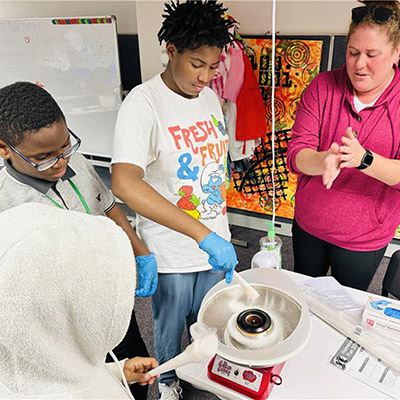
But here’s where Jess’s approach gets really interesting. Last year, she noticed her after-school STEAM club kids buzzing about everything from gender inequality to climate anxiety—topics that often get sidelined as “too heavy” for class. So she flipped the script.
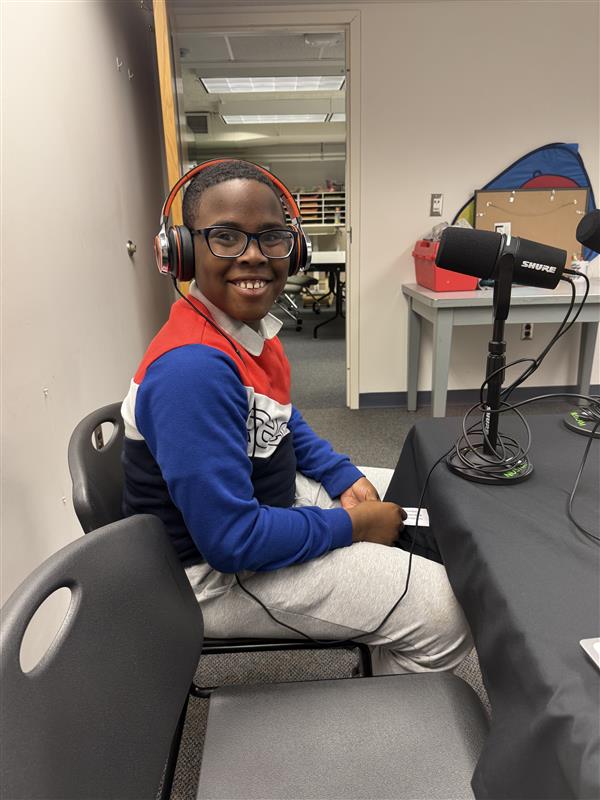
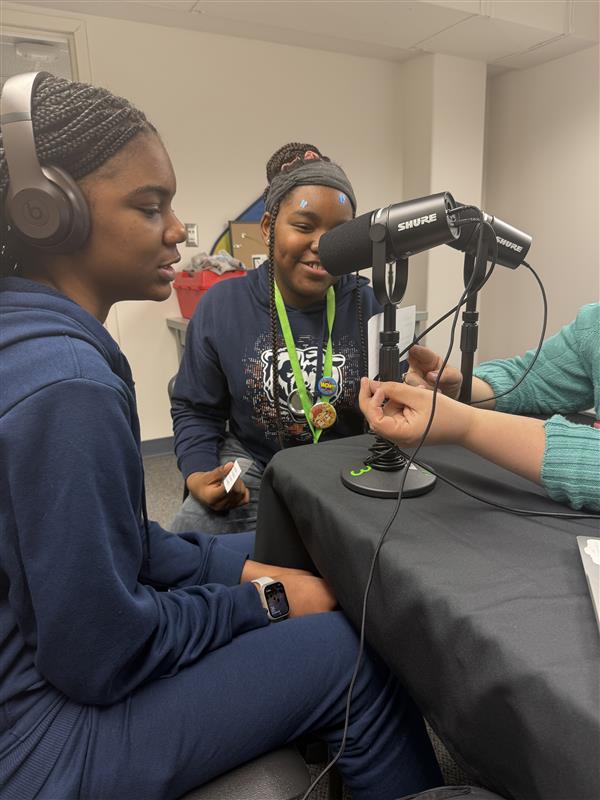
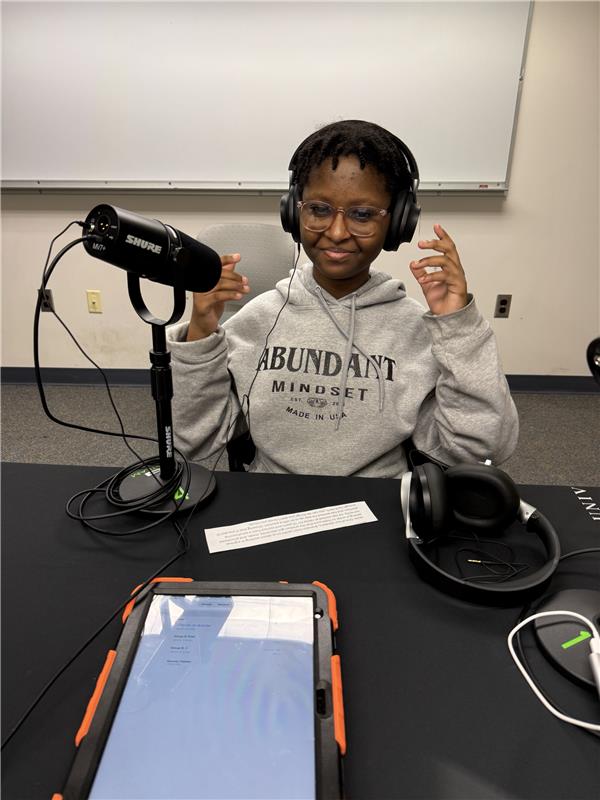
“We gave them CAD software, podcast equipment, and one challenge: Make adults listen.” The result? Students designed 3D-printed models representing pay gap data, recorded impassioned podcasts about gun violence prevention, and even presented to local policymakers. “Suddenly, these ‘too young to understand’ kids were the experts in the room,” Jess said. “That’s when you see what STEAM can really do—it’s not about gadgets. It’s about agency.”
Confessions of a Recovering “Rule Follower”
What stays with me most, though, is Jess’s take on teaching under constraints. “Early in my career, I treated standards like railroad tracks—something to rigidly follow,” she admitted. “Now? They’re more like guardrails. The destination matters, but the route you take? That’s where the magic happens.”
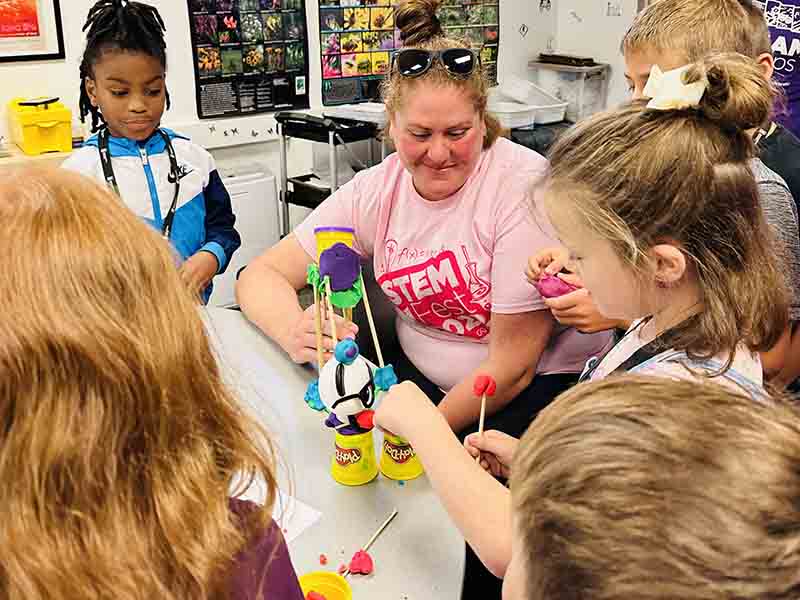
She tells the story of a reluctant science teacher who doubted her students could handle an open-ended engineering project. “I said, ‘What if we frame it as a heist? Your classroom is a museum, and they need to design a way to “steal” the exhibit.’ By week two, kids who’d never turned in homework were staying after school to tweak their prototypes.”
Listen to the full conversation on Spotify, Apple Podcasts, or anywhere you get your podcasts—you’ll walk away rethinking what’s possible in your classroom, your living room, or wherever learning happens.
P.S. Want to try Jess’s “STEAM Spy Camp” activities with your kids? She swears the best ones only require cardboard, curiosity, and a willingness to embrace glorious chaos.